Bear Attacks in Japan: What’s Happening, and Where Would We Travel? (Letter #003)
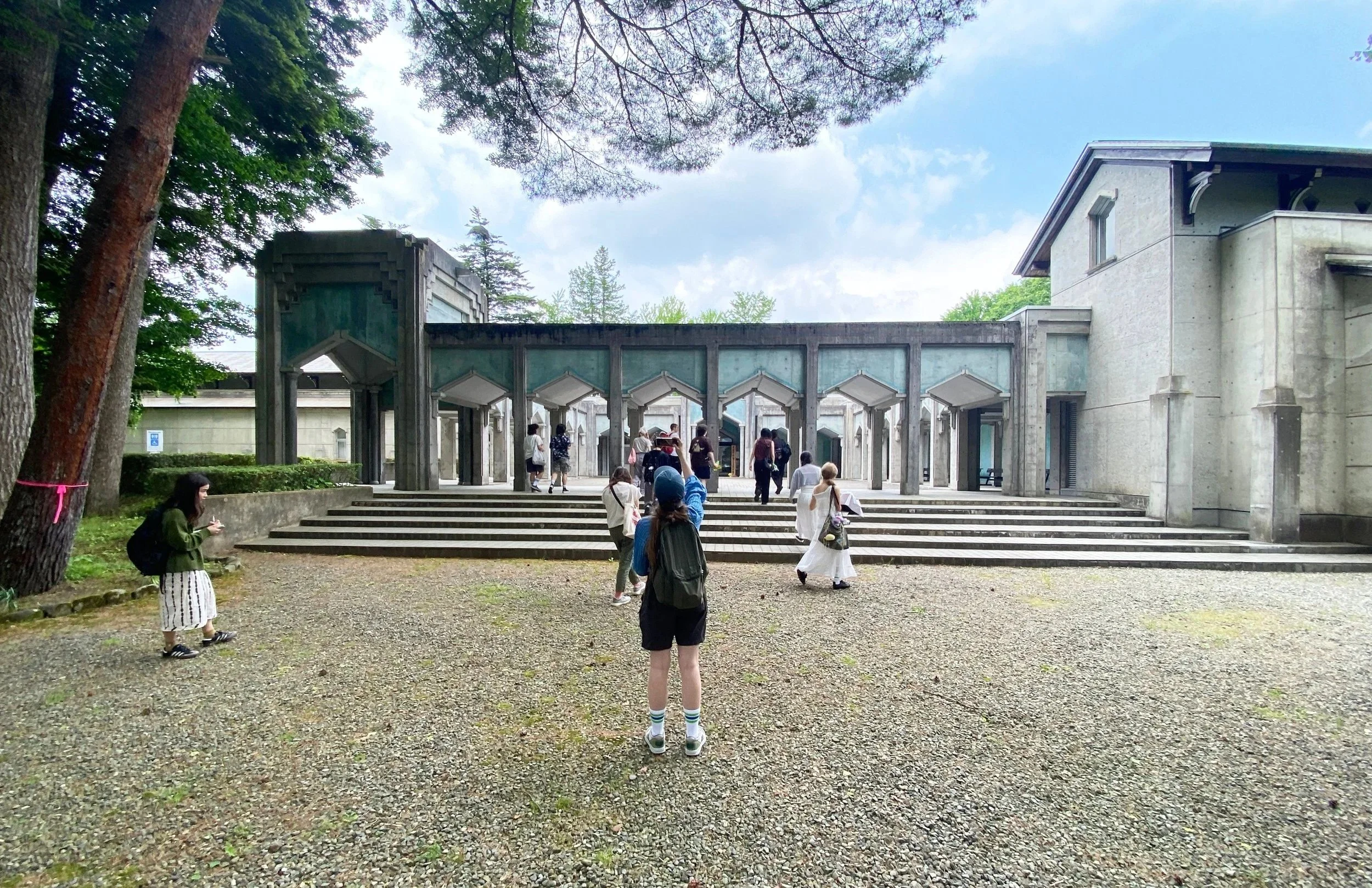
Hirafuku Memorial Museum of Art in Akita by Hiroshi Oe
Autumn is one of the most beautiful seasons to travel in Japan; comfortable temperatures, low humidity, and stunning fall foliage. However, this year, perhaps we should wait until the recent bear attacks are under control!
Last month, a Spanish tourist was attacked by a bear in Shirakawa-go, Gifu Prefecture, a UNESCO World Heritage site (where we visited last winter). So far, nine people have died from bear attacks across Japan, and more than 70 people have been injured in Akita Prefecture alone. Akita has seen a sharp rise in encounters, with attacks occurring almost daily in residential areas, schools, and even supermarkets (we call them “アーバンベア (urban bears)”).
Due to the critical situation, Japan’s Defense Ministry has deployed troops to Akita to assist with containment efforts. Military personnel are helping to set traps and transport hunters, though they are not directly engaging with the animals.
According to experts, the surge in bear attacks is linked to a growing bear population combined with Japan’s aging and declining rural population. As farms and forests are abandoned, they become overgrown and attract wildlife.
Although, this issue is not new. When I took a studio taught by Atelier Bow-Wow at the Harvard Graduate School of Design, we discussed Japan’s ongoing rural challenges: depopulation, an aging society, low birth rates, abandoned houses and schools, unmaintained farmland, and diminished forestry practice. All contributing to unhealthy mountain ecosystems, landslides, and more frequent encounters with wild animals.
Growing up in rural Japan, these issues feel very real to me—not distant or abstract, but something personal and concerning.
But if you insist on going to Japan now, here are three tips!
Akita Visit Tip 1: Check the Bear Map
Akita Prefecture developed a bear-tracking version of AMeDAS (Automated Meteorological Data Acquisition System), called “Kumadas.” (“Kuma” means bear in Japanese.)
This fall (from September 2025 through today, November 9), 8,599 bear encounters have been reported.
We stayed in Akita with RISD students for about three weeks this summer. One student even spotted a bear from the Shinkansen (bullet train) — but thankfully, no one else did!
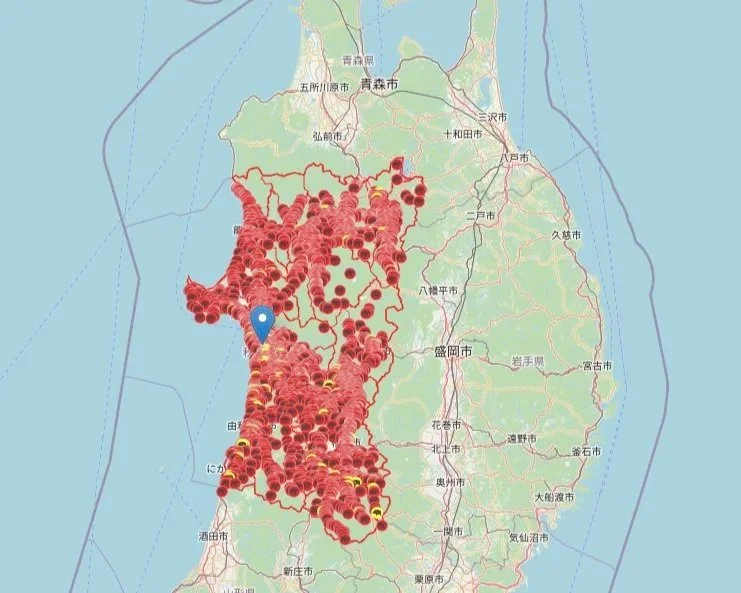
Bear encounters reported in Akita (9/1/2025-11/9/2025)
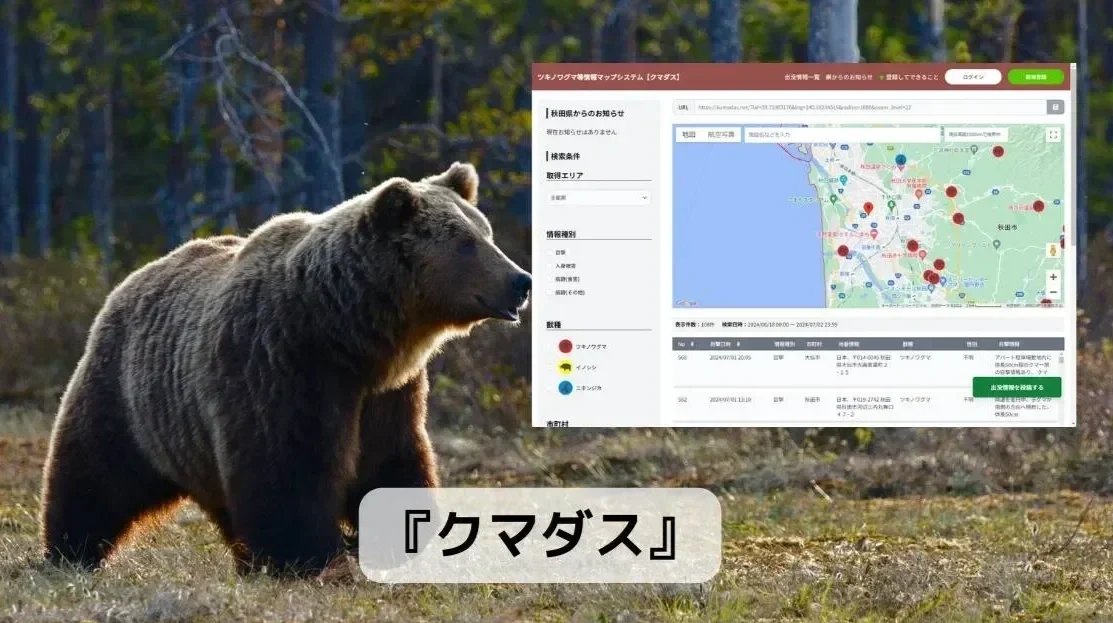
Akita Visit Tip 2: What to Do If You Encounter a Bear
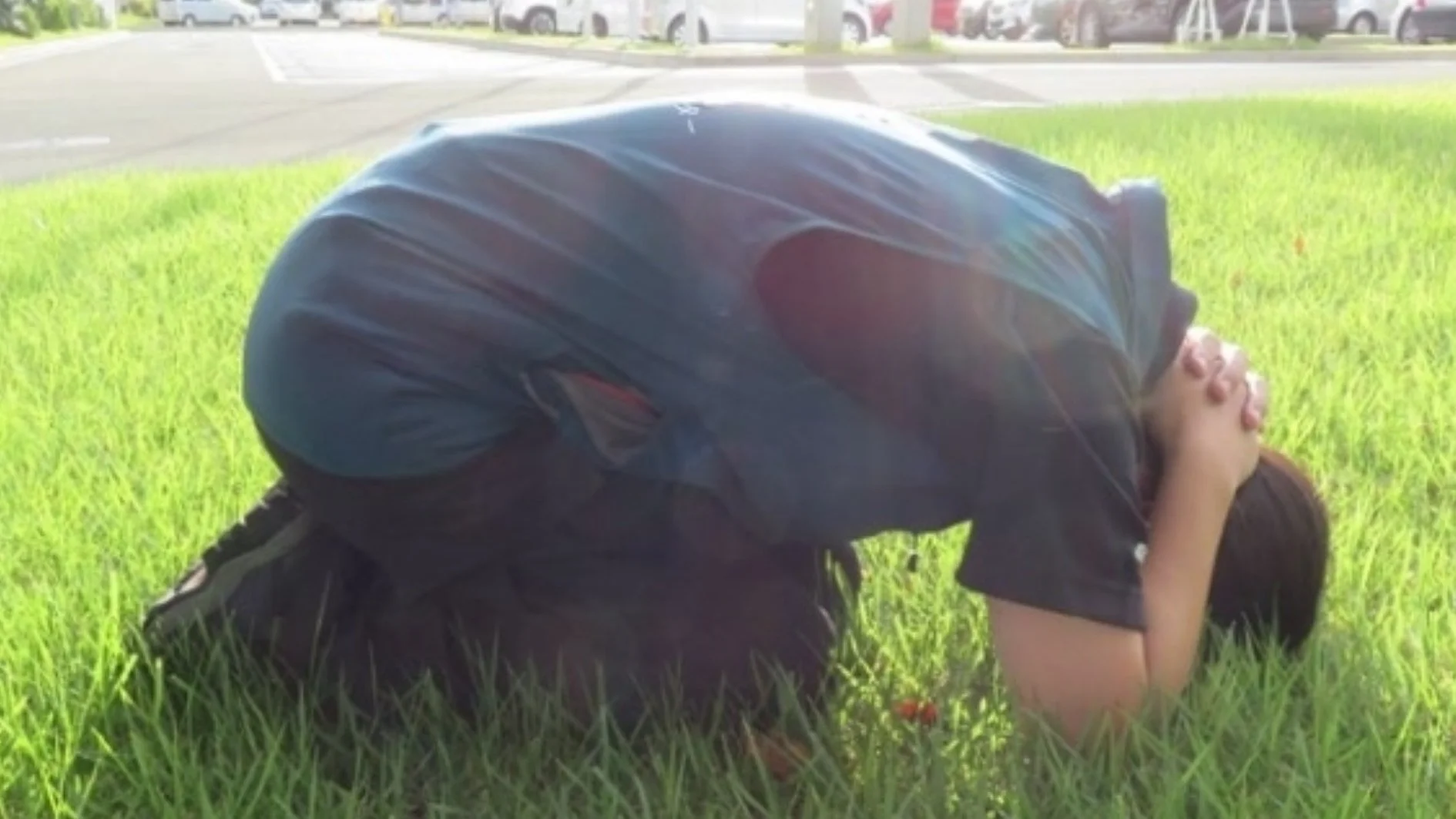
A Japanese study found that lying face down and covering your head and neck with your hands is the best way to protect yourself and reduce injury. Facial, hand, and arm injuries were most common in attacks (source).
FYI: According to the article, “How not to die from bear attacks,” you should NOT: 1) pretend to be dead, 2) leave your food and run, 3) climb up on a tree.
Akita Visit Tip 3: Or, Wait Until You Join My Travel Program Next Summer! ☀️
Once the bear situation calms down, one of my recommended destinations in Akita is Kakunodate — a quiet historic town known for its preserved samurai residences and beautiful traditional architecture and crafts.
It’s also home to modernist buildings designed by Hiroshi Oe (1913–1989), an architect who merged Western Modernist ideas with traditional Japanese sensibilities. He was a classmate of Kenzo Tange (1913–2005), Japan’s most internationally influential modernist architect. While Tange pursued a universal modernism, Oe sought to express multicultural nuance and locality in architecture.
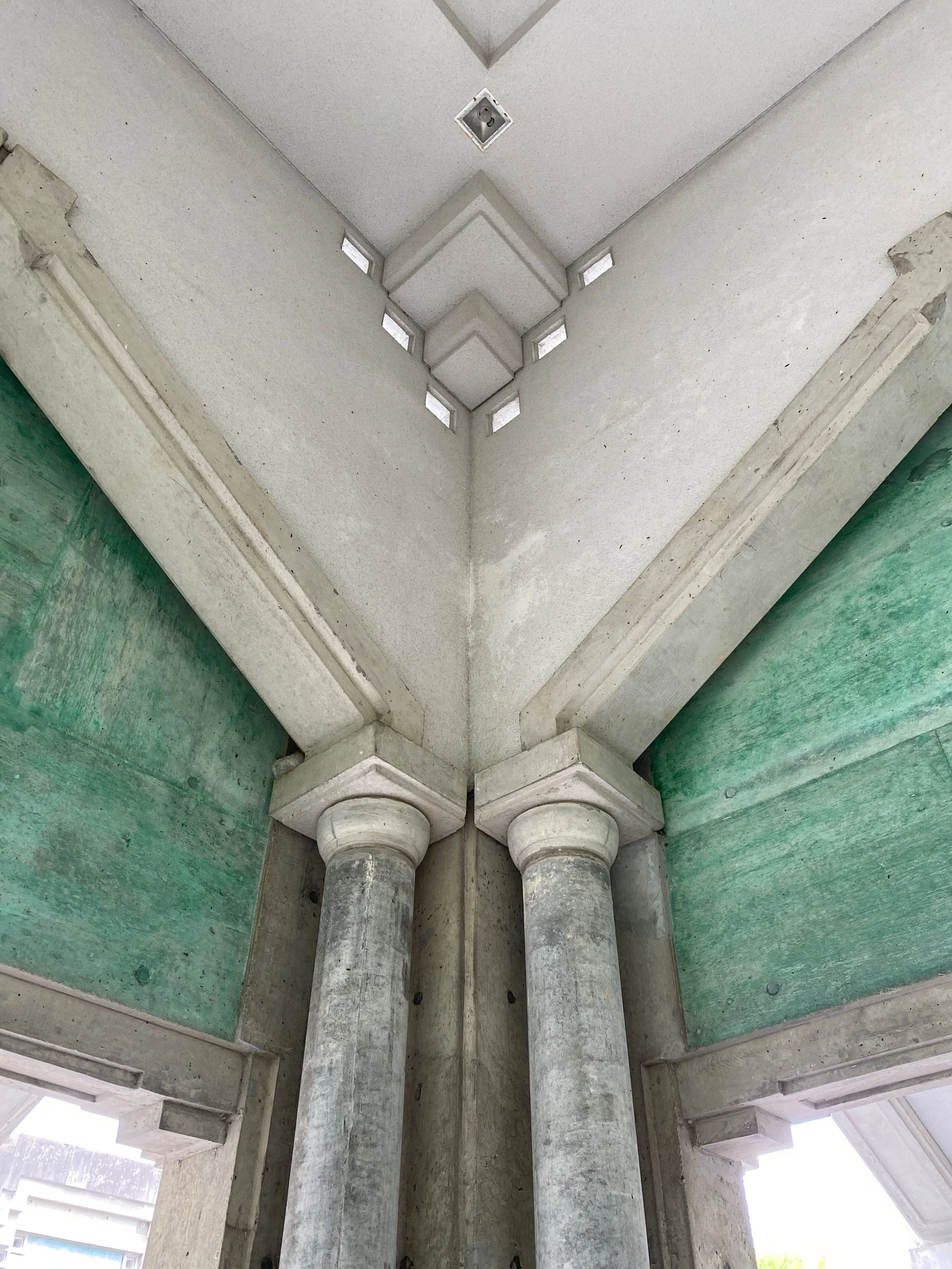
Strange details of Oe. (Hirafuku Memorial Museum of Art)
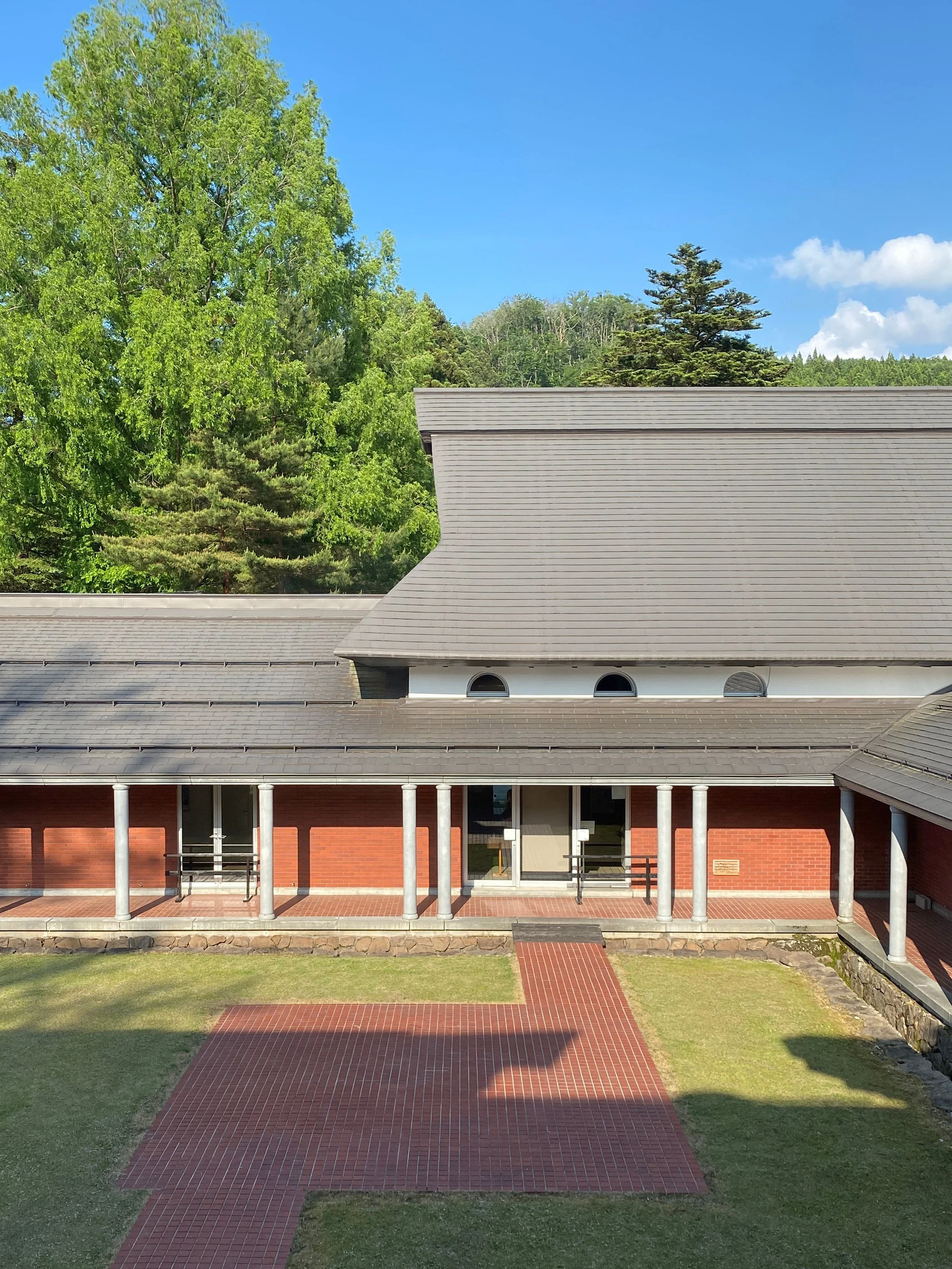
Strange details of Oe. (Kabazaiku Woodcraft Museum)
It’s something best experienced in person so, more when we visit :)
Warmly,
Junko
Coming up: I’ll continue discussing potential destinations for our next travel program — stay tuned!