Behind the Scenes: How I Start Shaping New Journeys in Japan (Letter #002)
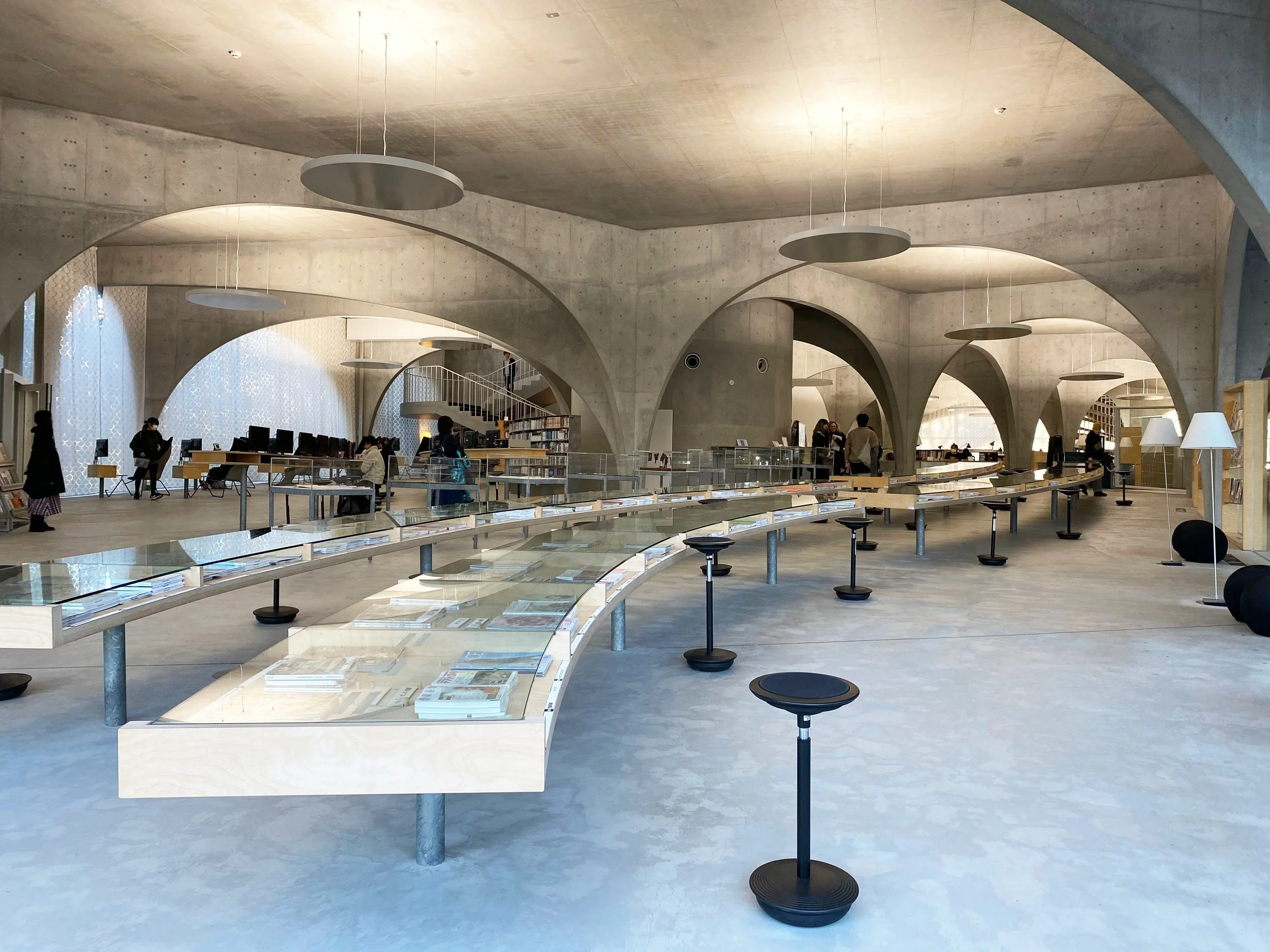
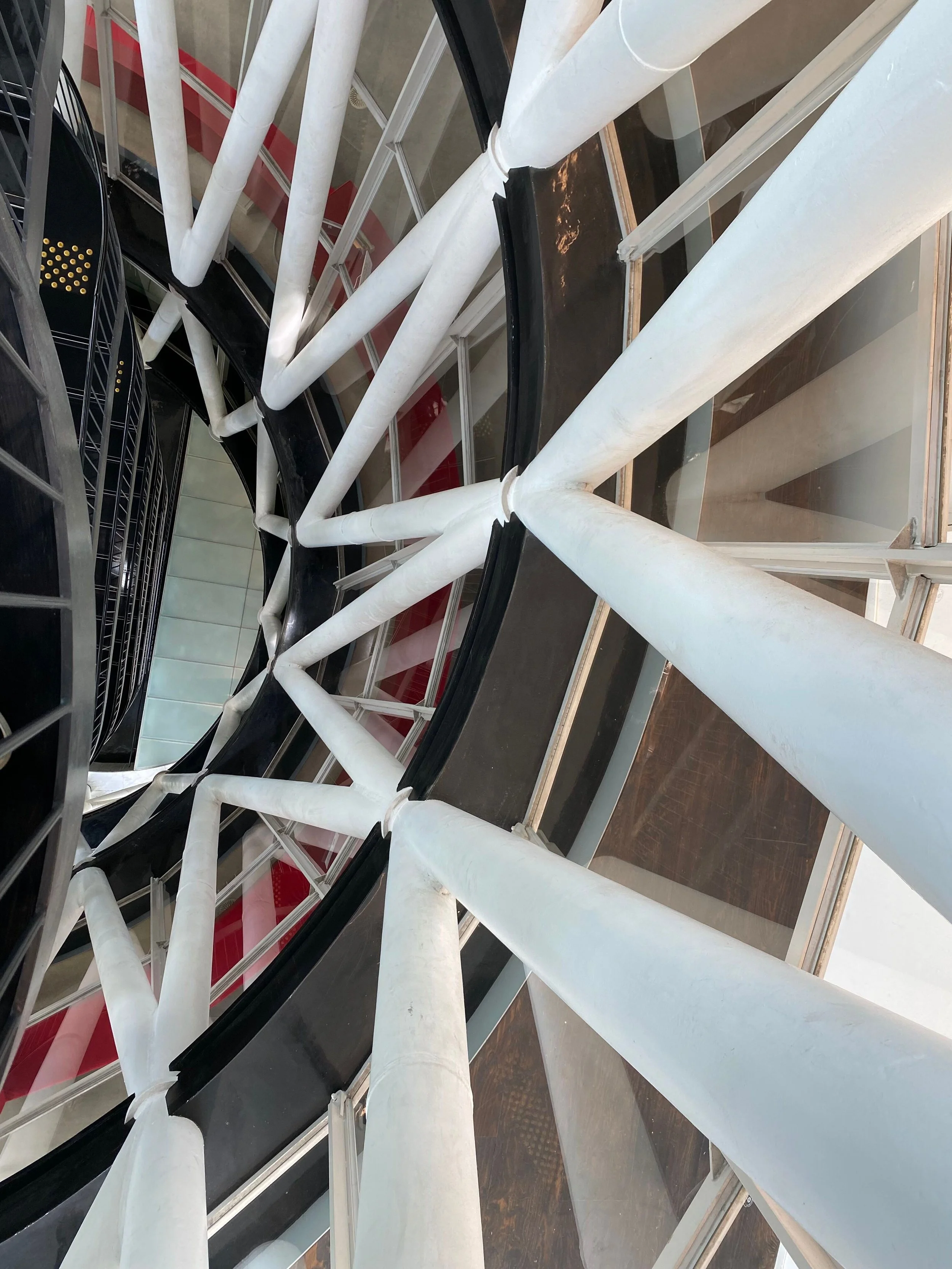
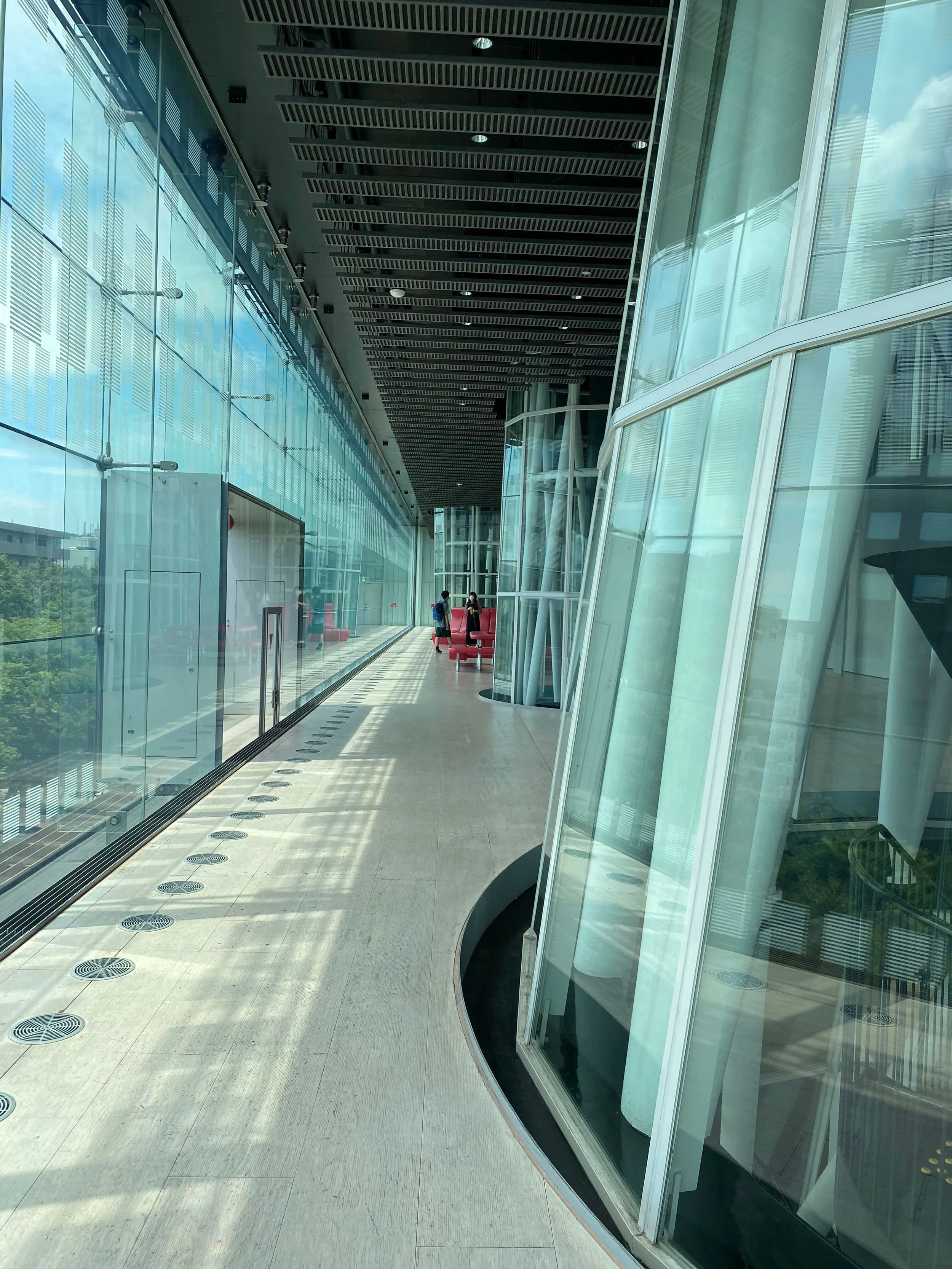
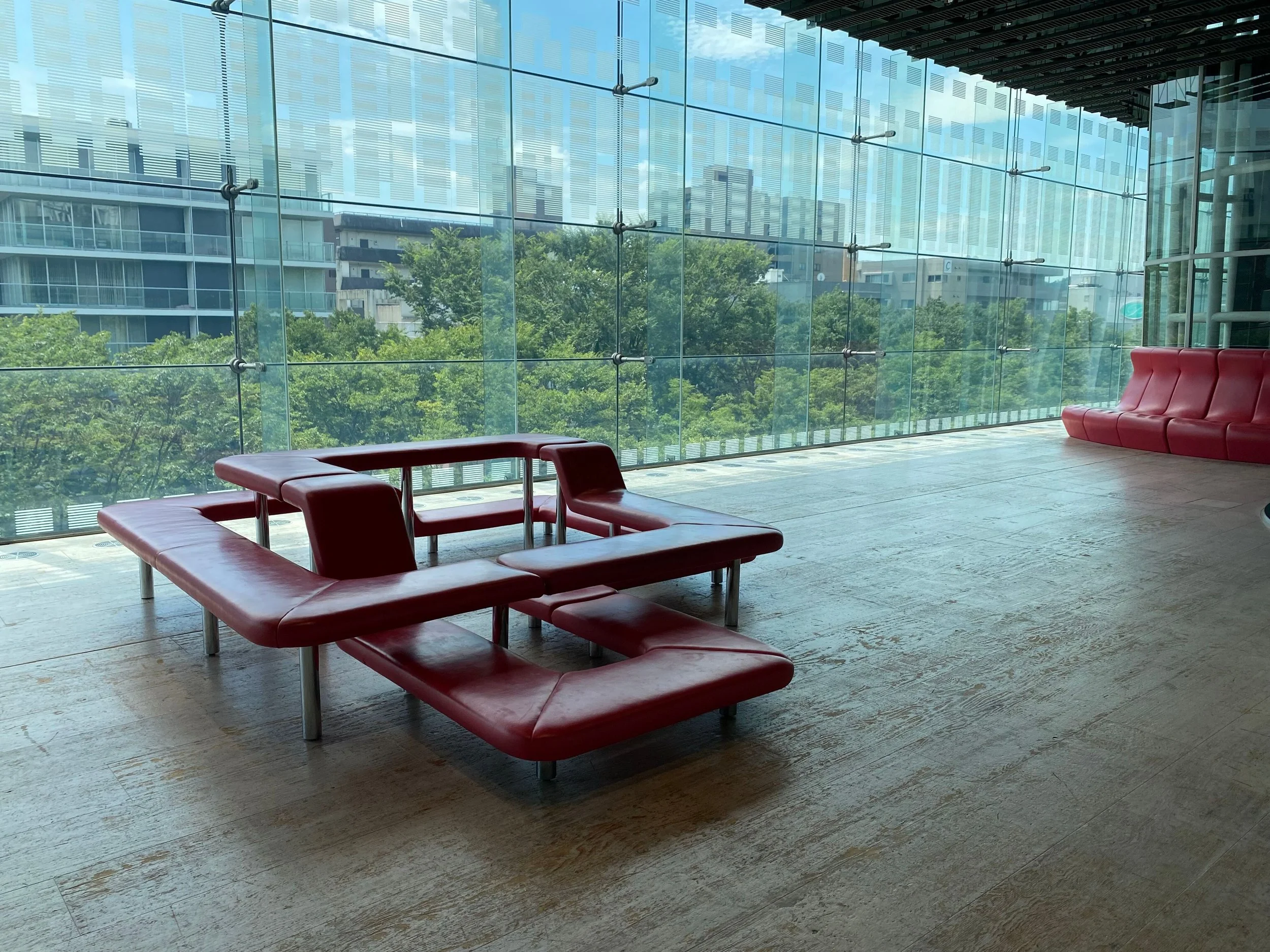
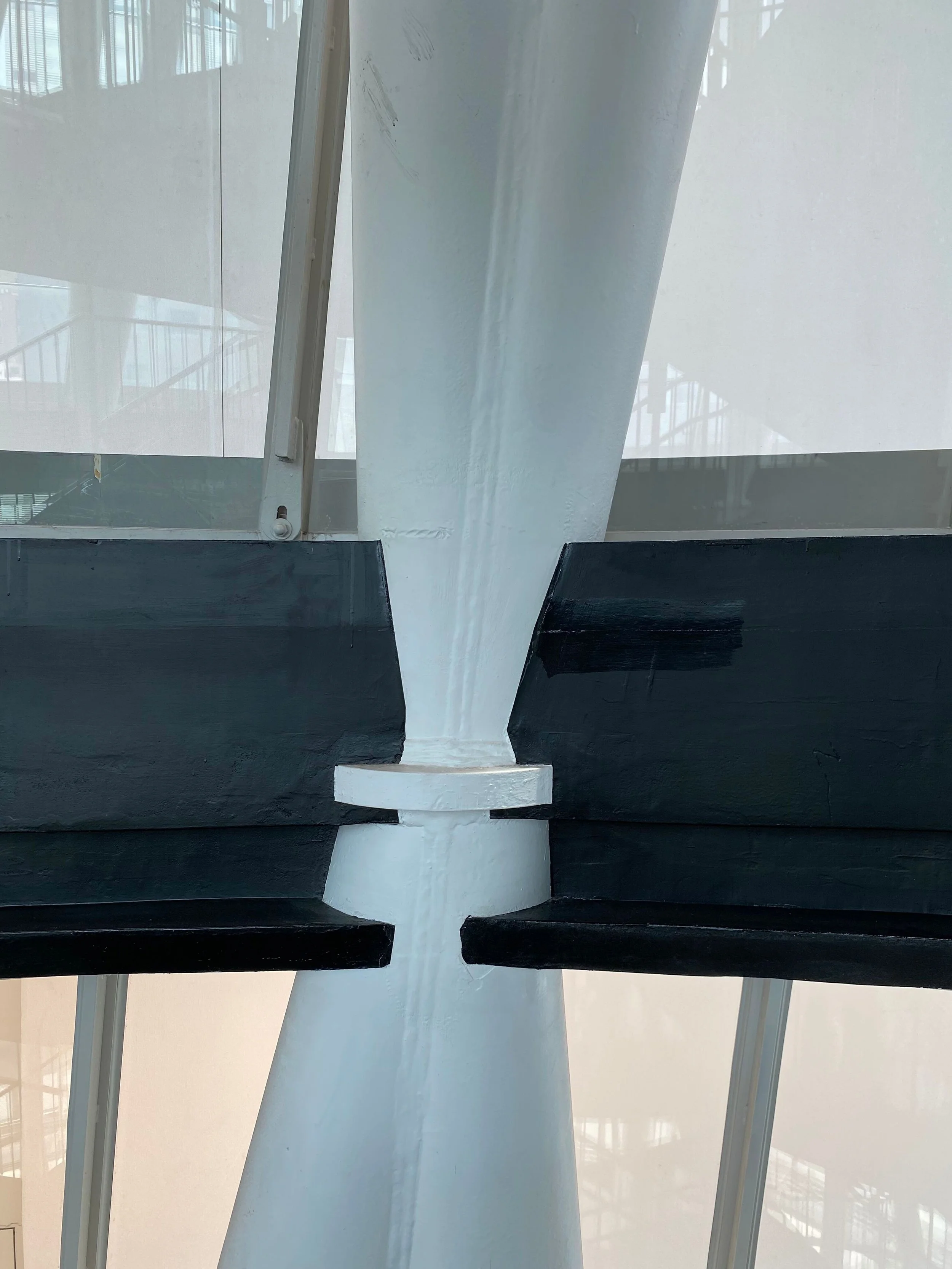
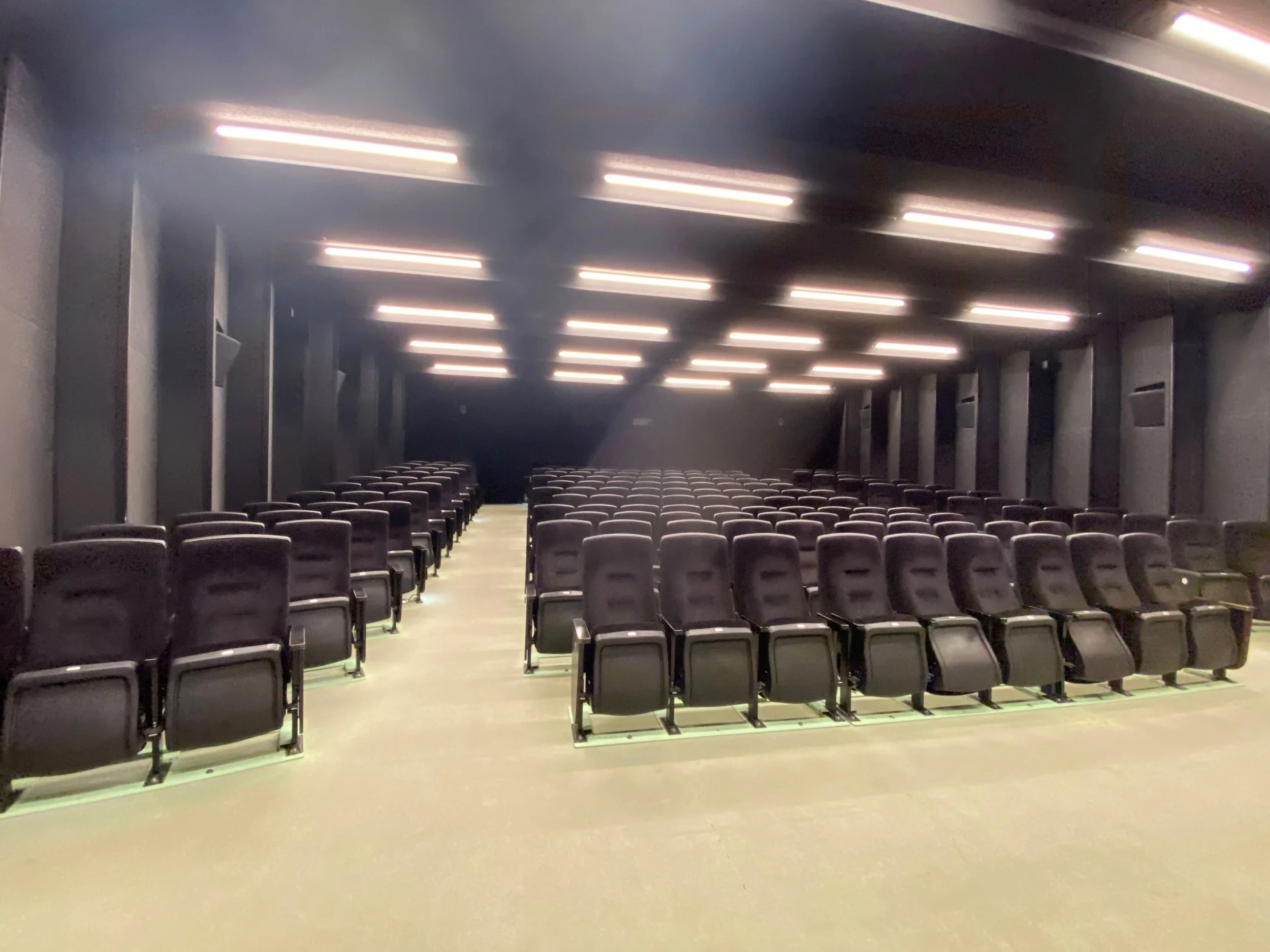
Tama Art University Library by Toyo Ito
Ten prefectures in one week
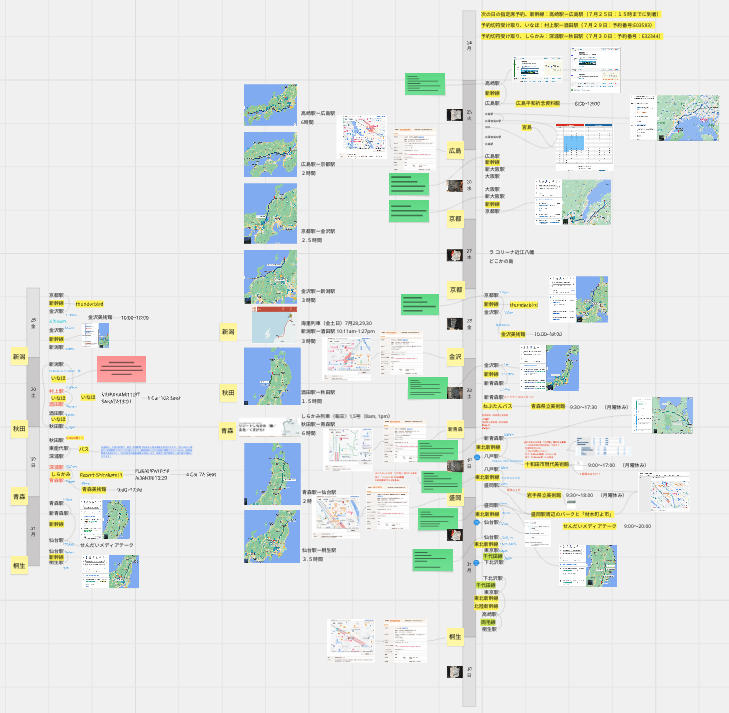
I used to plan solo trips to visit buildings whenever I returned to Japan, using the JR Pass. It used to be quite affordable for long-distance Shinkansen (bullet train) travel—and at the time, it was available even to Japanese citizens who had lived abroad for more than ten years. Right before Japan Railways (JR) raised the price by 70% and changed the policy, I decided to plan one last trip: ten prefectures in one week.
I had a long list of buildings I wanted to see, but I needed to plan carefully—travel time was limited, local buses ran infrequently, and museums or cultural facilities had short opening hours. Once I’m on the road, I don’t want to think about logistics—the purpose of traveling is observation. I want to look, listen, discover beauty, question and reflect, talk to locals, sketch, document, connect ideas, and feed my curiosity.
To minimize the time and energy spent on secondary tasks—packing, deciding what to wear, checking train schedules—I started documenting everything visually in one place: Miro. Before each trip, I would build a graphic itinerary that I could simply follow on my phone once traveling began. If plans changed, I’d adjust the visual map and get right back on track.
The image here shows the original version of what later became my signature graphic itinerary. I call it “signature” because I kept receiving unexpected compliments—from colleagues. Some used my itinerary as a model template for their own programs, and another even shared it as an example in a Miro workshop for faculty. Back then, though, it was just for me—and yes, I even attached daily outfit photos (don’t zoom in, please) so I wouldn’t waste precious morning brainpower deciding what to wear.
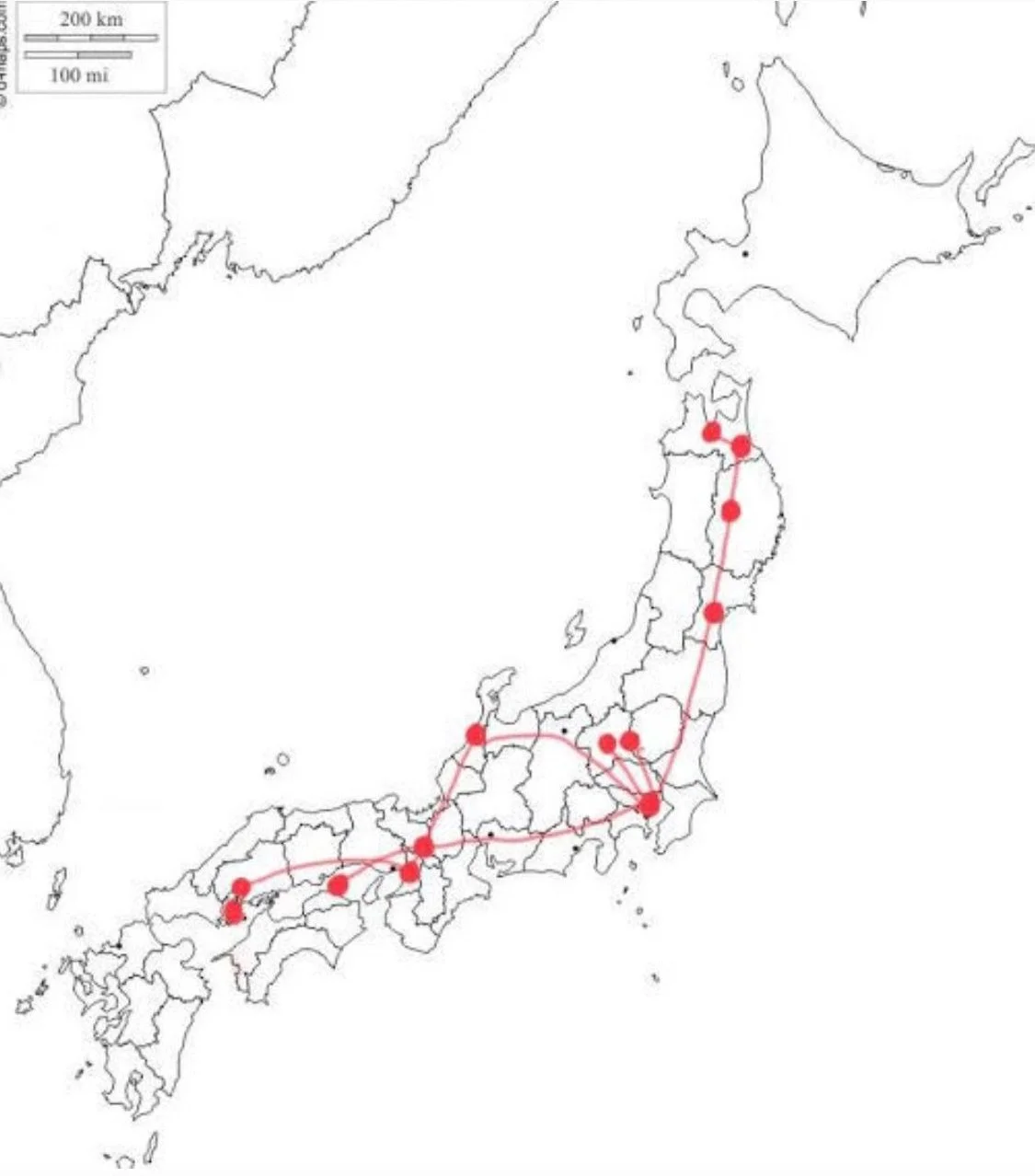
Over time, this habit evolved into more structured graphic itineraries for the travel courses I led at RISD—you can see some of them on my website.
When choosing destinations for these programs, my motivations come from two main sources. First, pure curiosity: as an architect and artist, I want to experience the work of designers I deeply admire. Second, I want to take groups beyond typical tourist paths—to places that often require some local coordination to access. Those encounters between local communities and visitors are often the most meaningful moments. Many of my students told me that Kyoto, though beautiful, felt less memorable than other places precisely because it was so full of tourists.
For people in smaller towns, too, these visits create rare opportunities for cultural exchange and visibility—for their architecture, traditions, and way of life. There is so much wisdom in traditional and vernacular practice that you can’t fully understand until you see it in person.
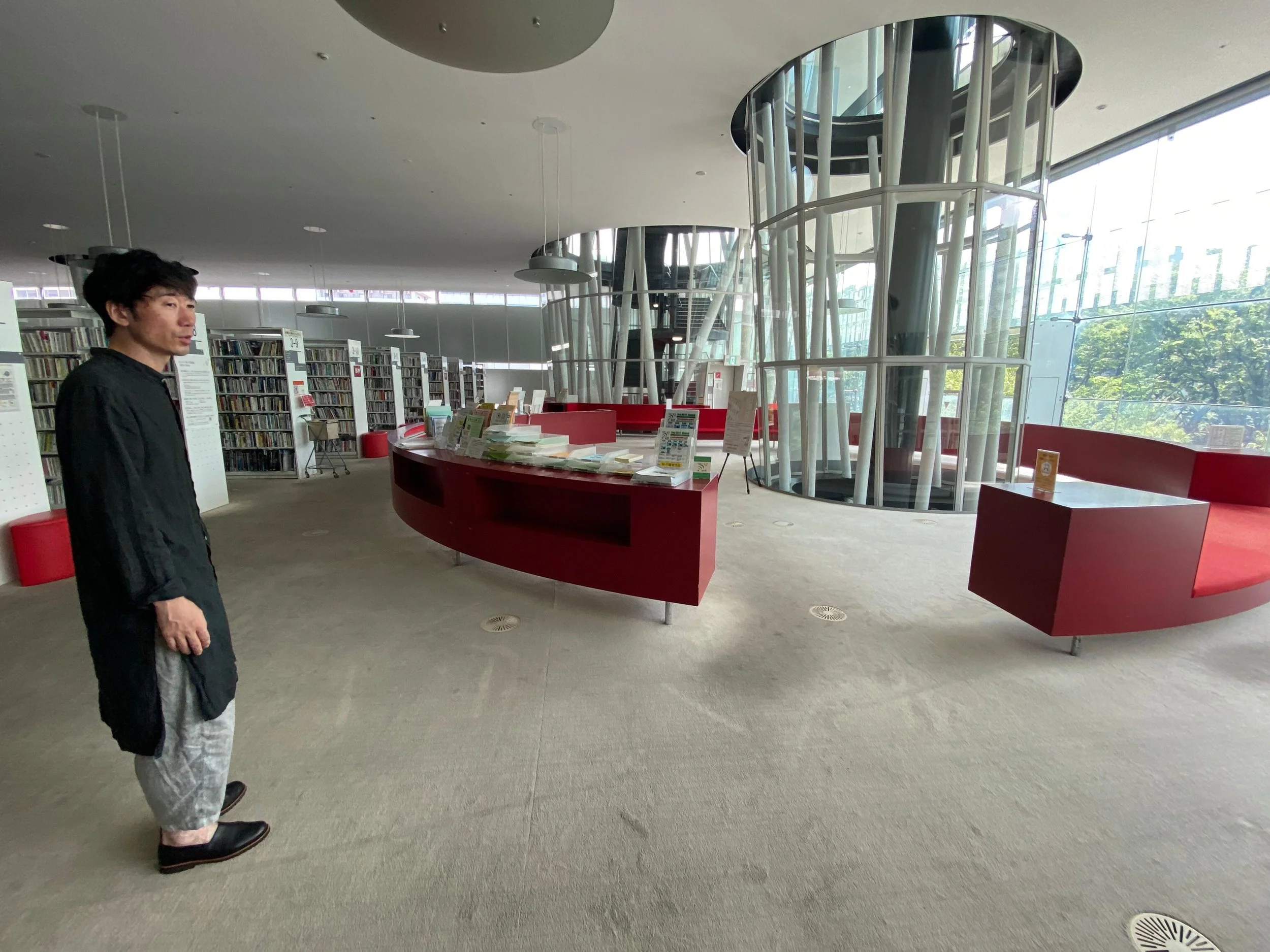
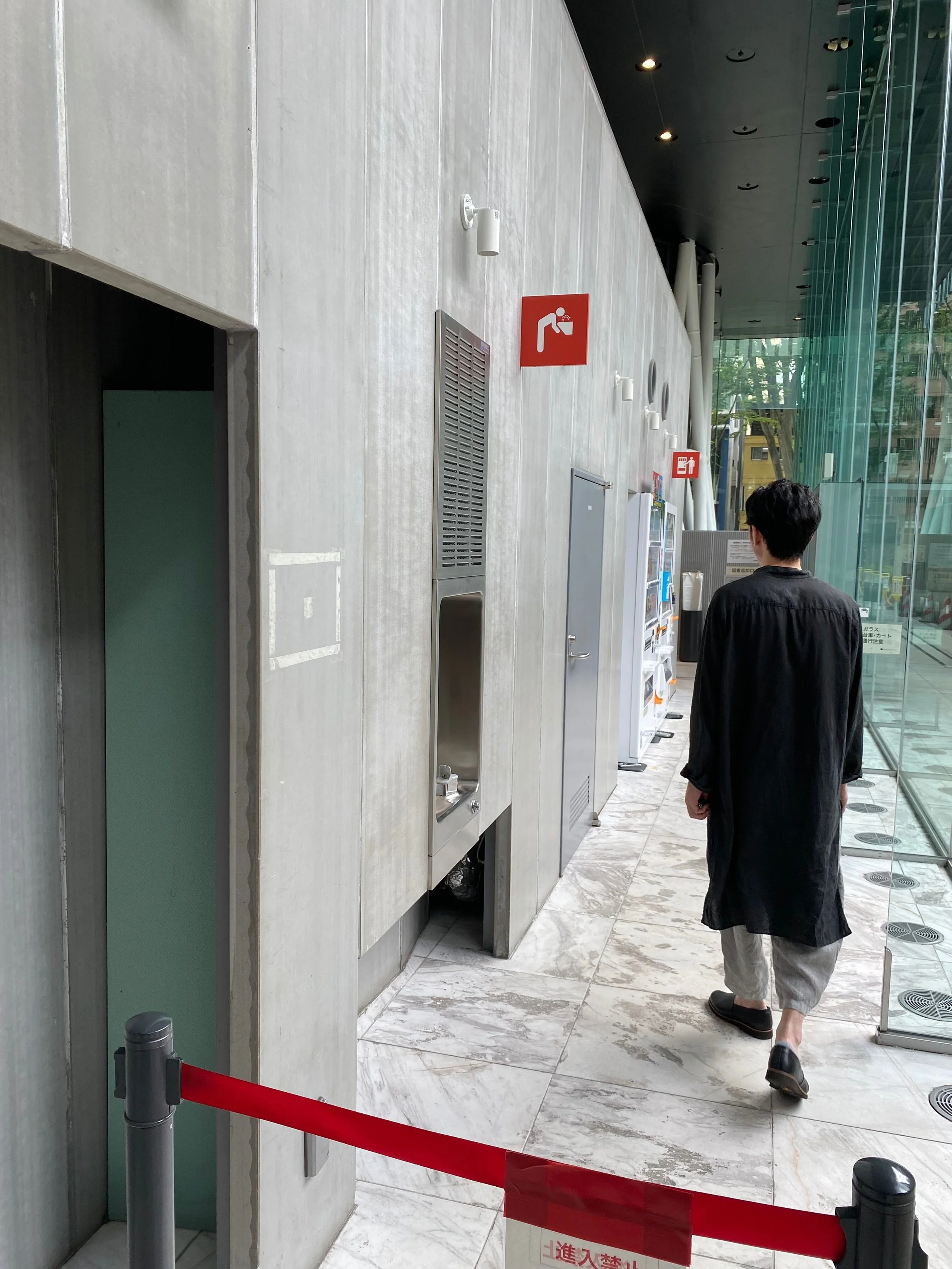
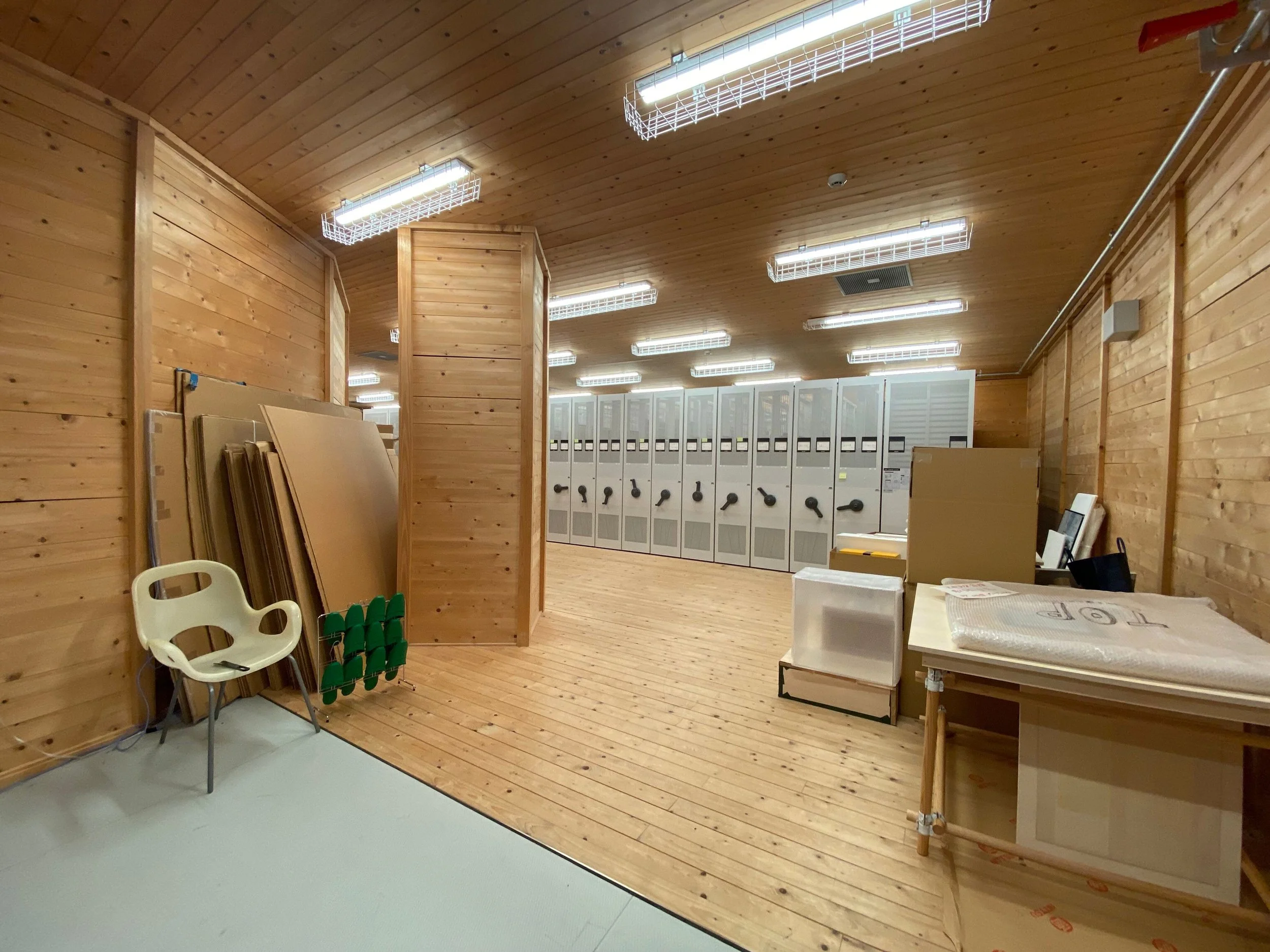
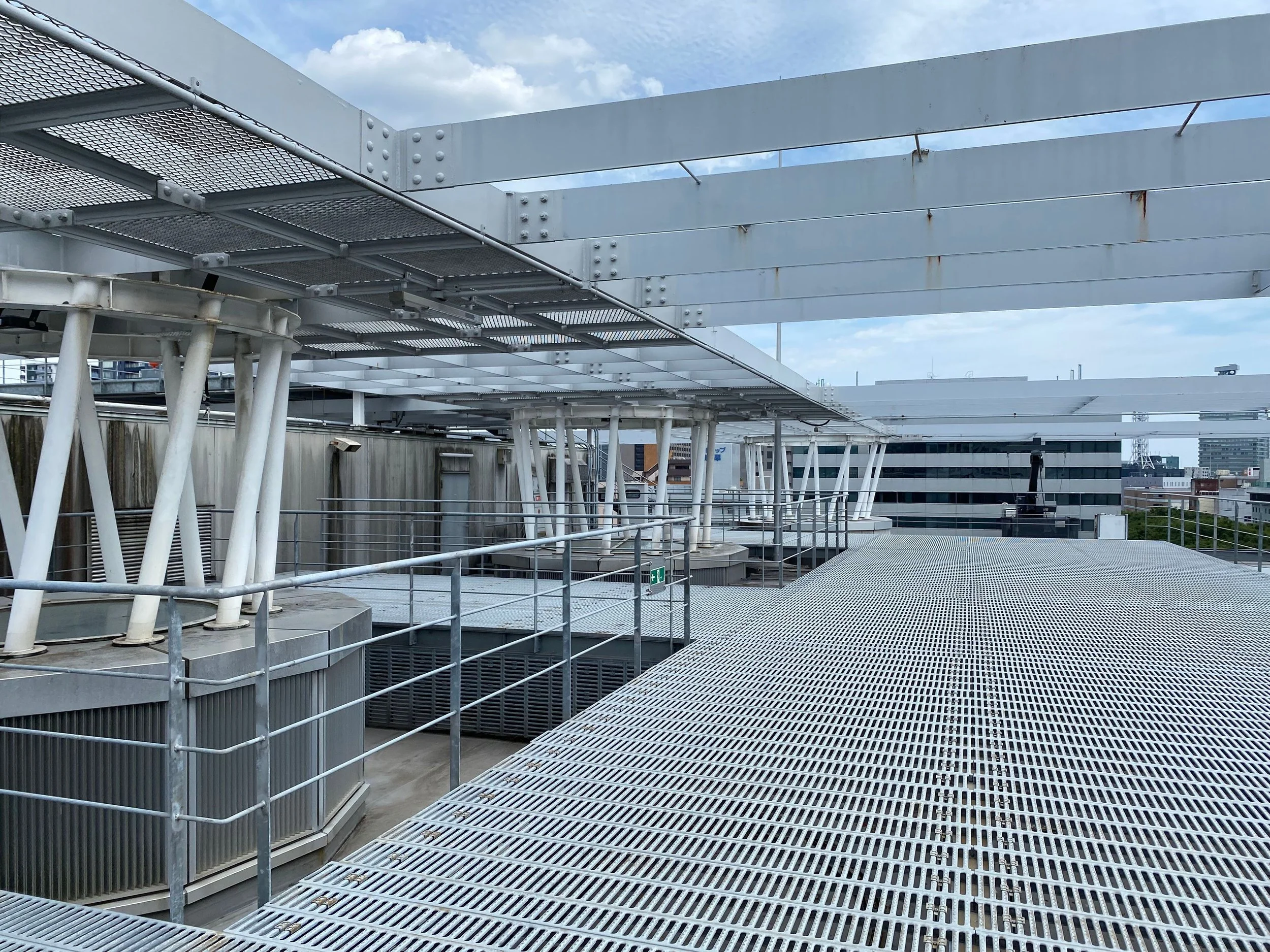
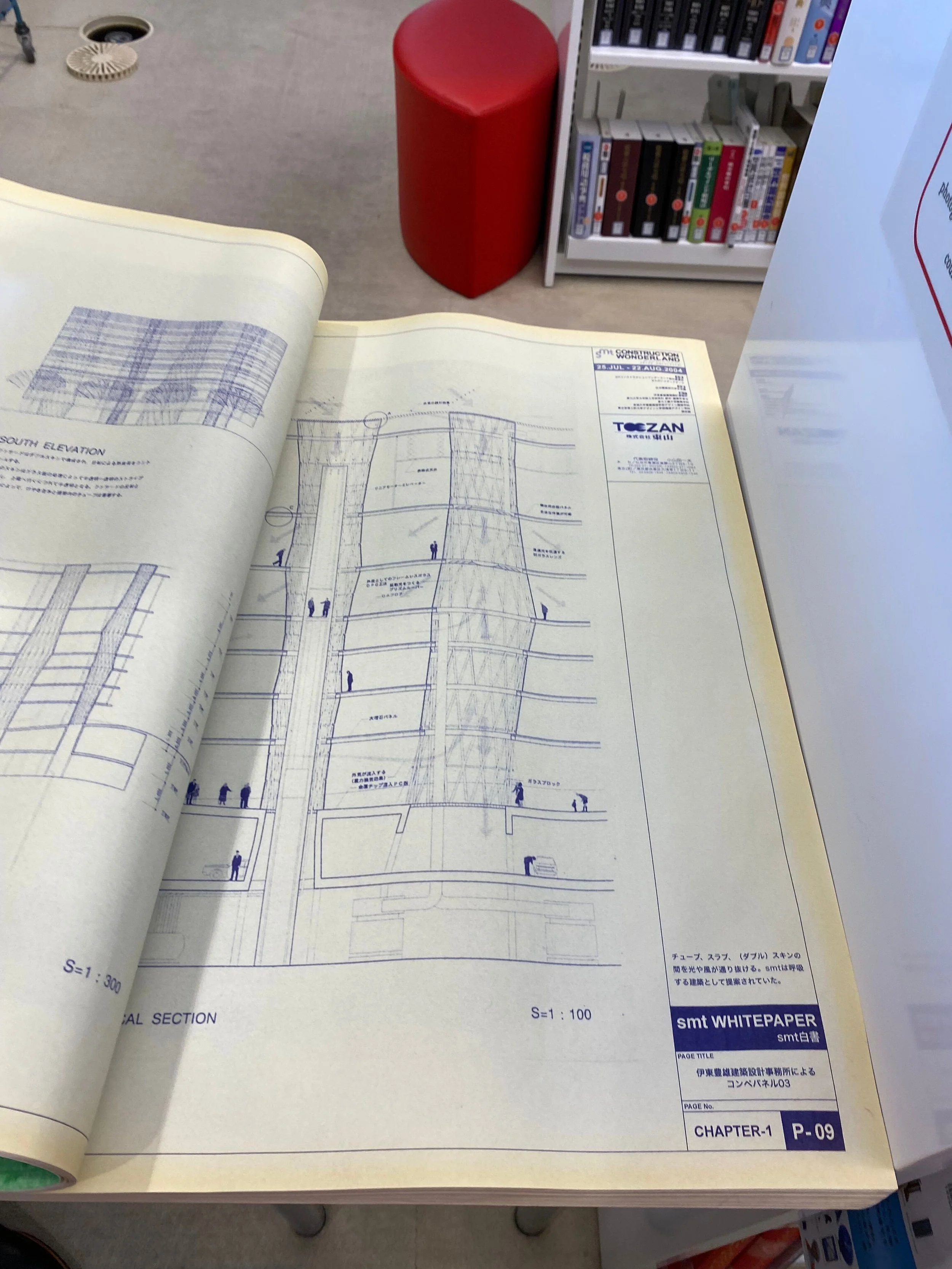
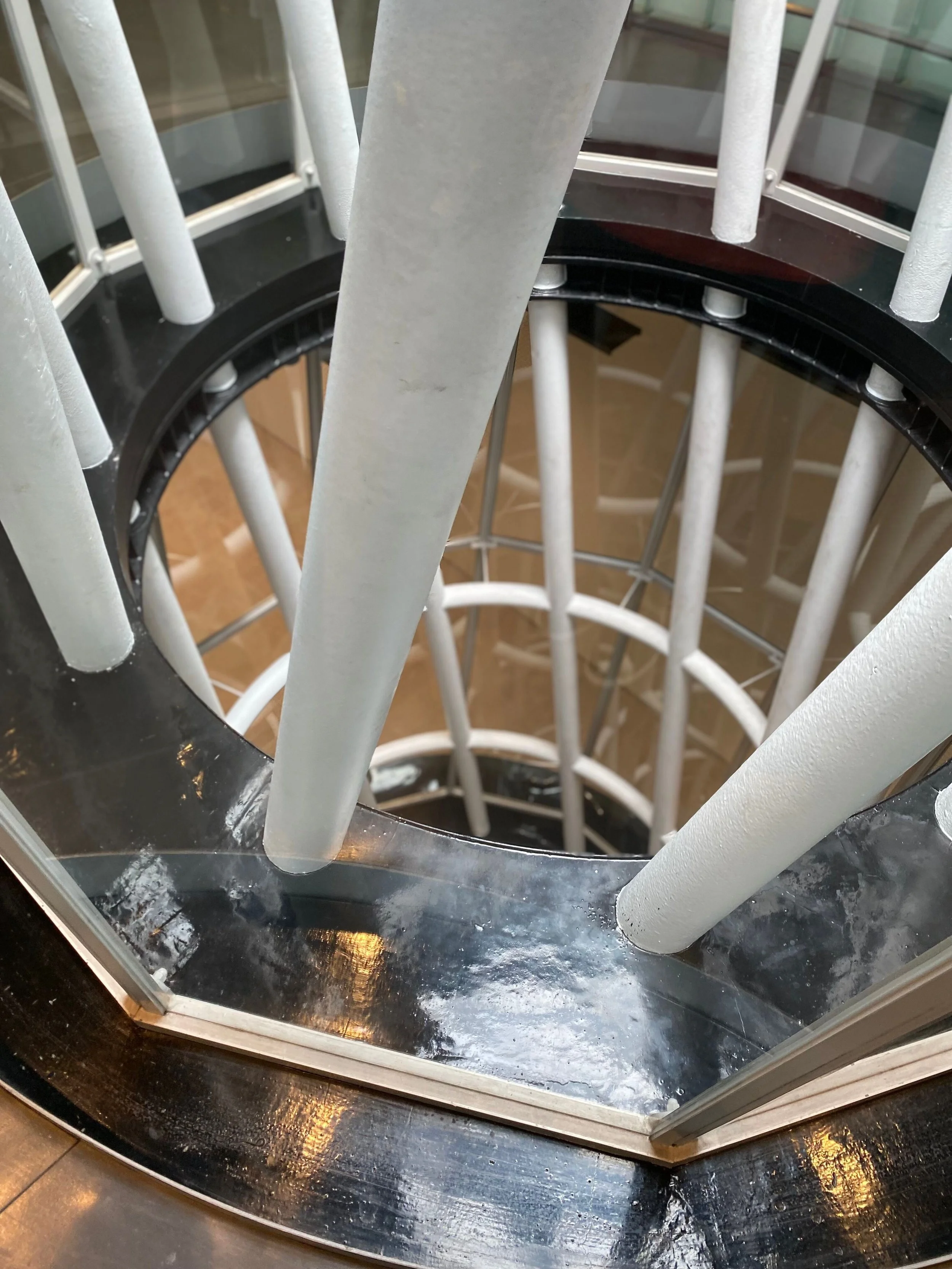
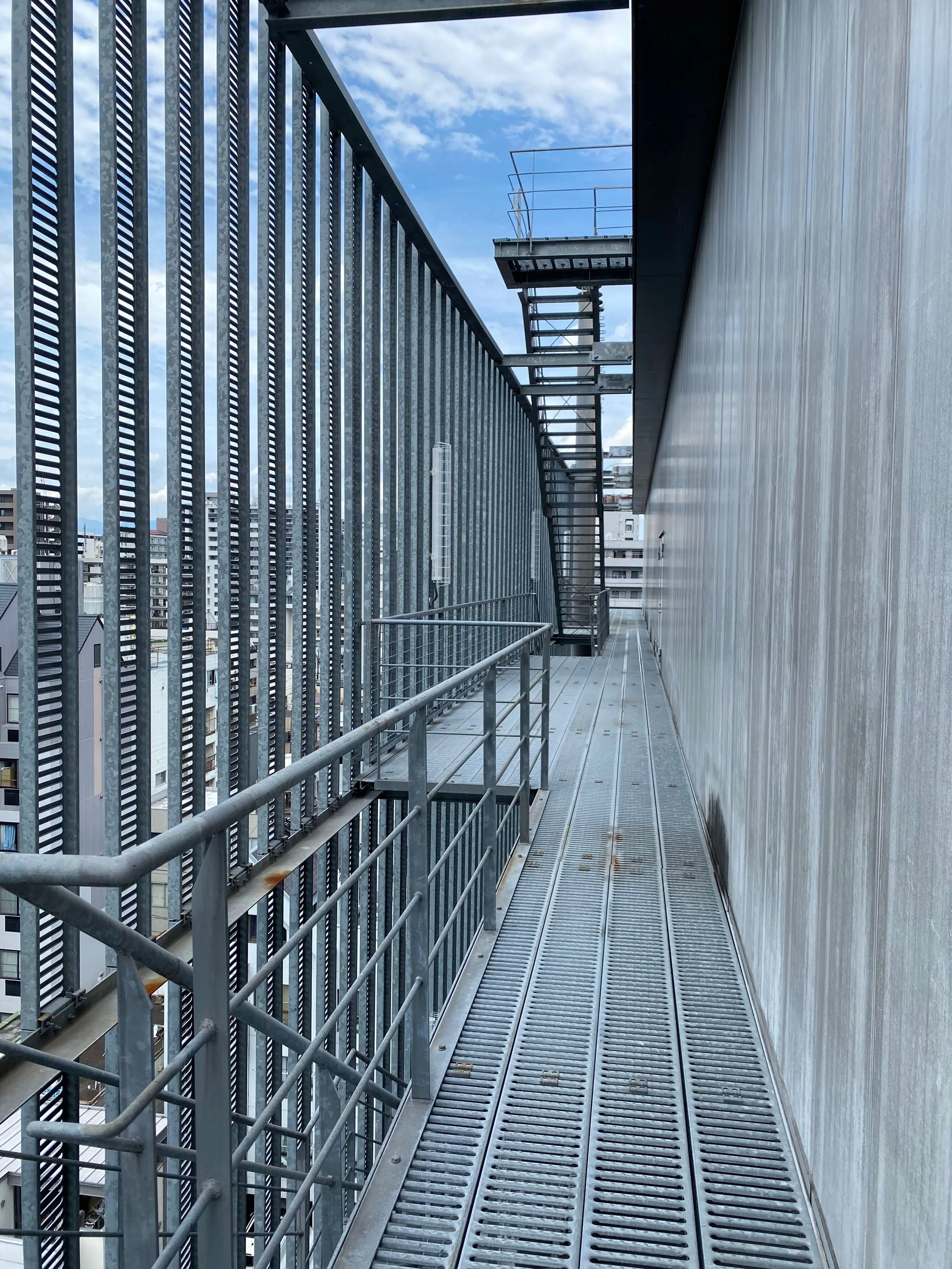
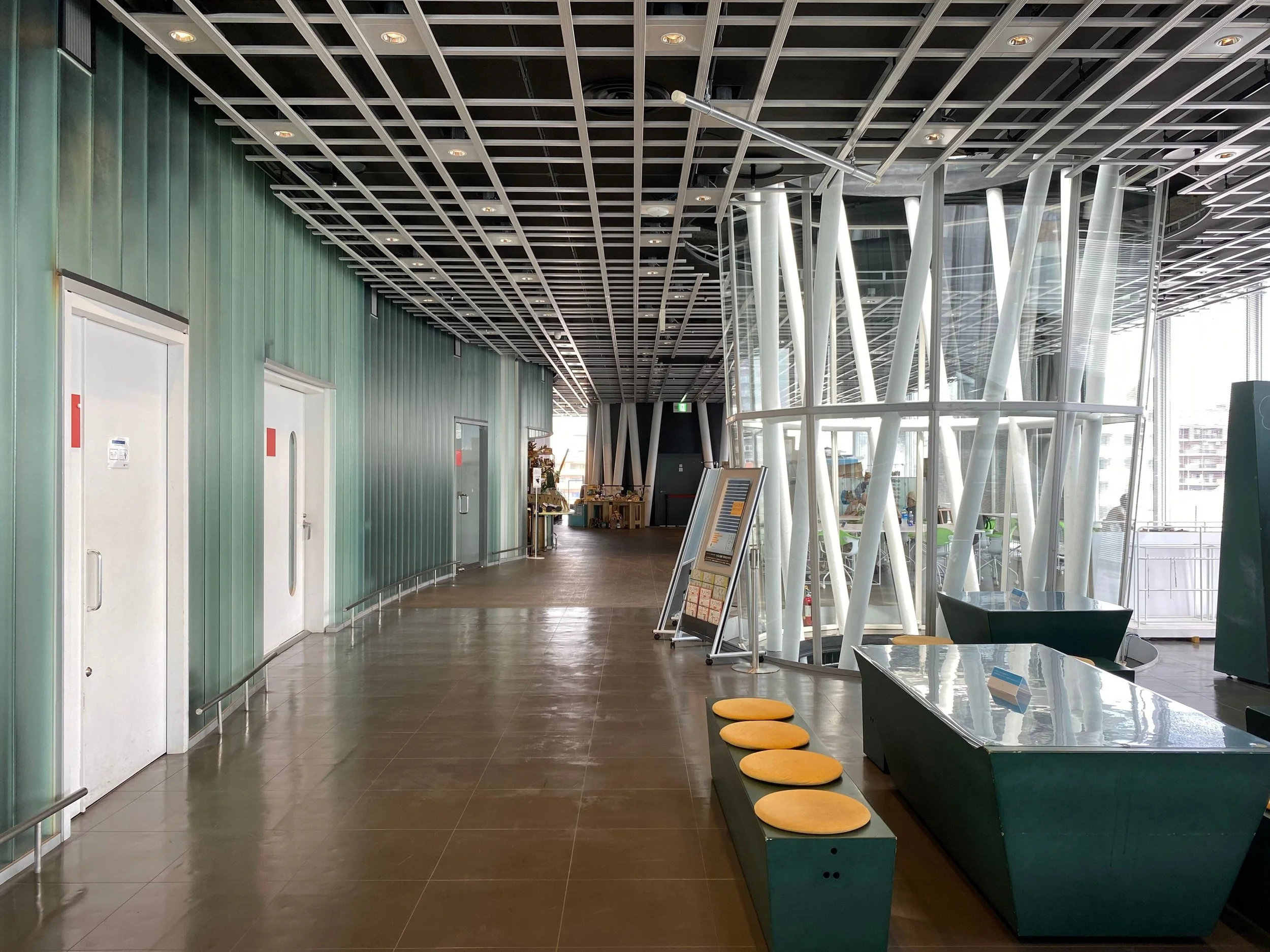
Among the building visits that left strong impressions include Toyo Ito’s Tama Art University Library (which I visited with RISD students) and Sendai Mediatheque (during that solo ten-prefecture trip). Tama Art University Library has strict visit and photography rules—only a few visitors in guided tours are allowed to take pictures, and publishing them publicly is prohibited. So, I’m sharing some interior photos here exclusively for newsletter readers. The space is stunning; photos can’t fully capture the experience.
Sendai Mediatheque was equally inspiring. The staff kindly gave me a private tour, including the service areas and the rooftop that are not usually open to the public. Both buildings have been important precedents that certainly contributed to the advancement of architectural practice and discourse. So, I’m thinking of including them in our architecture-focused journey.
Warmly,
Junko
Coming up: more on the contents of upcoming programs—some good candidates for our future visits.
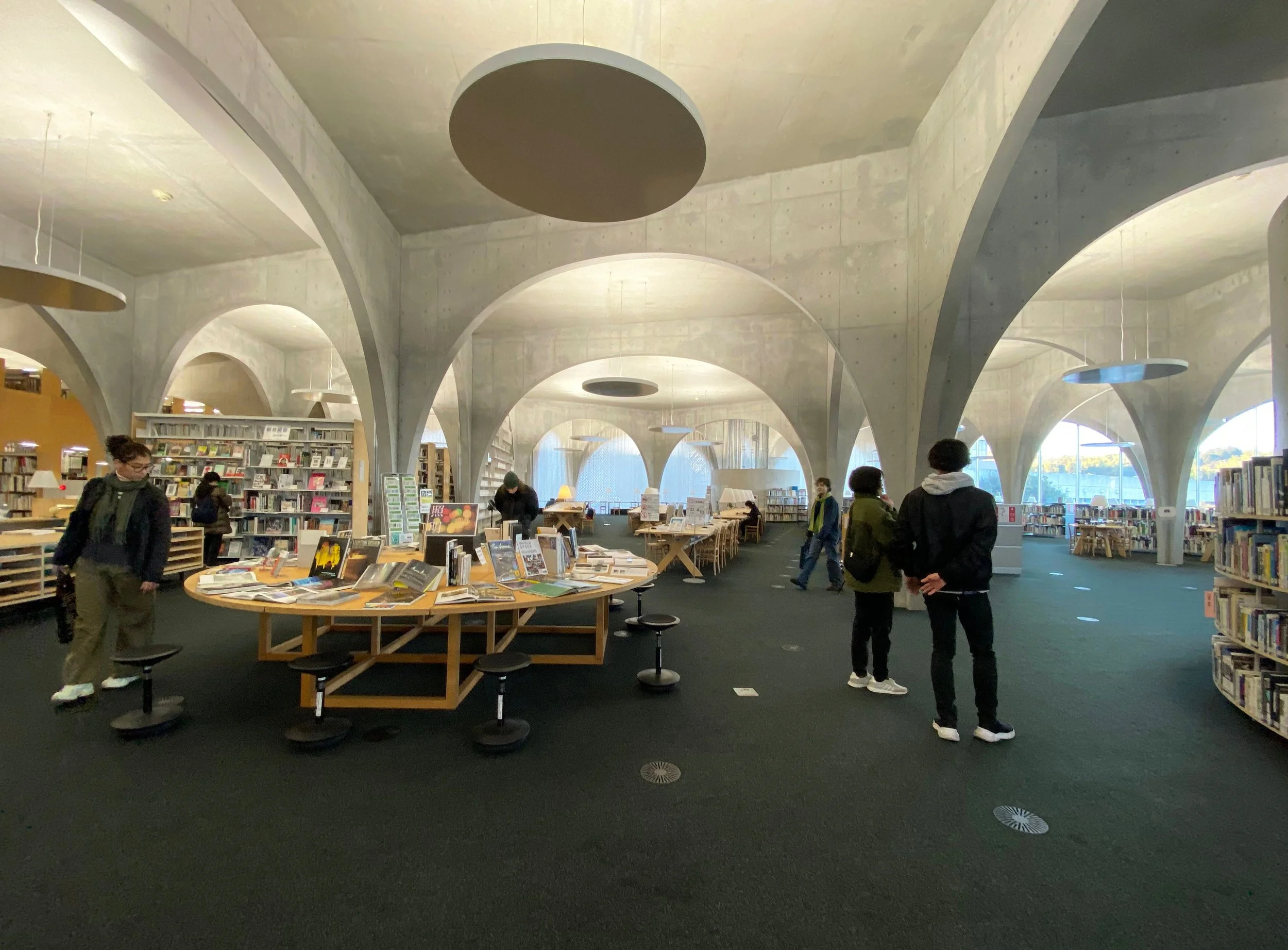
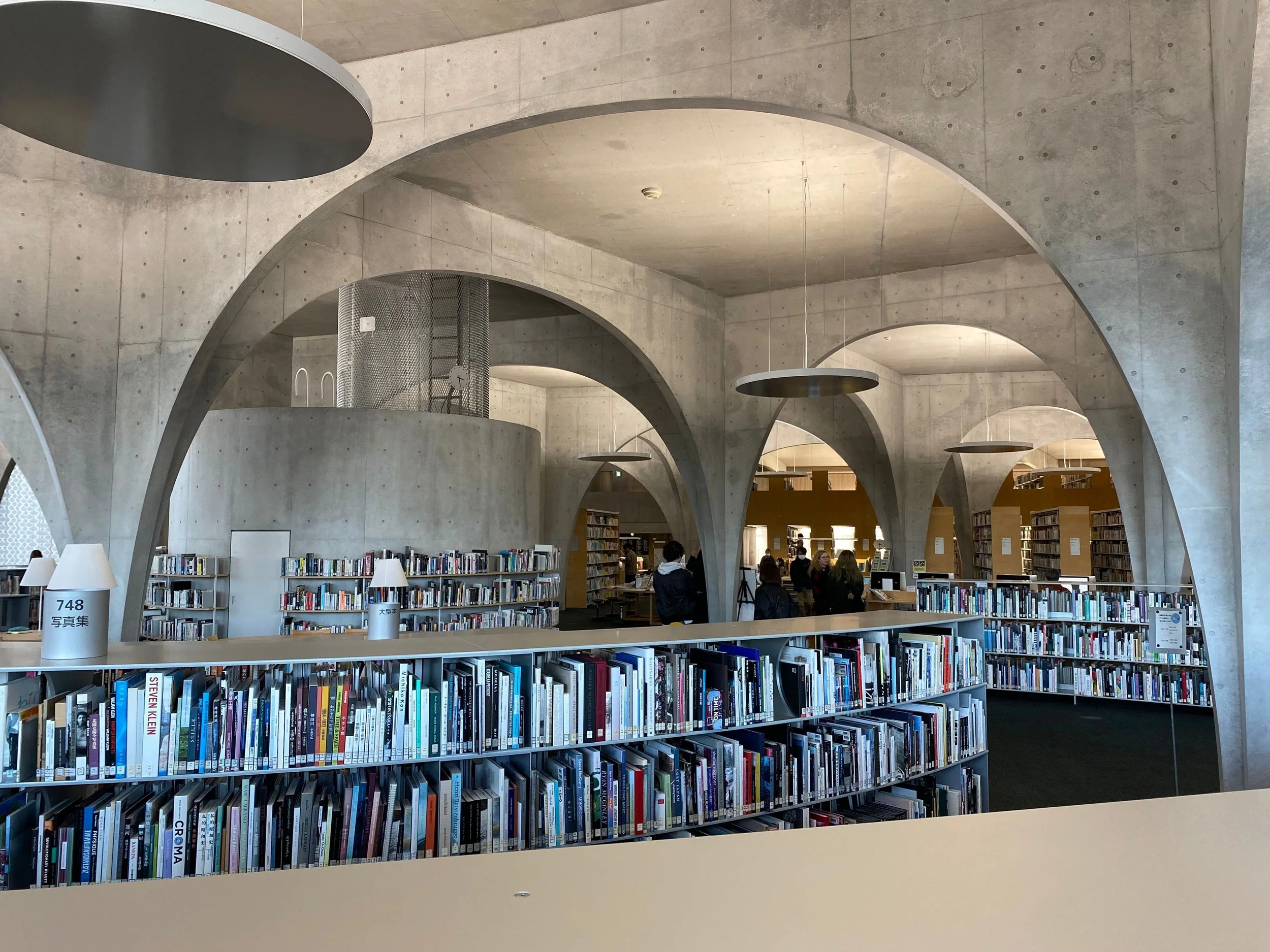
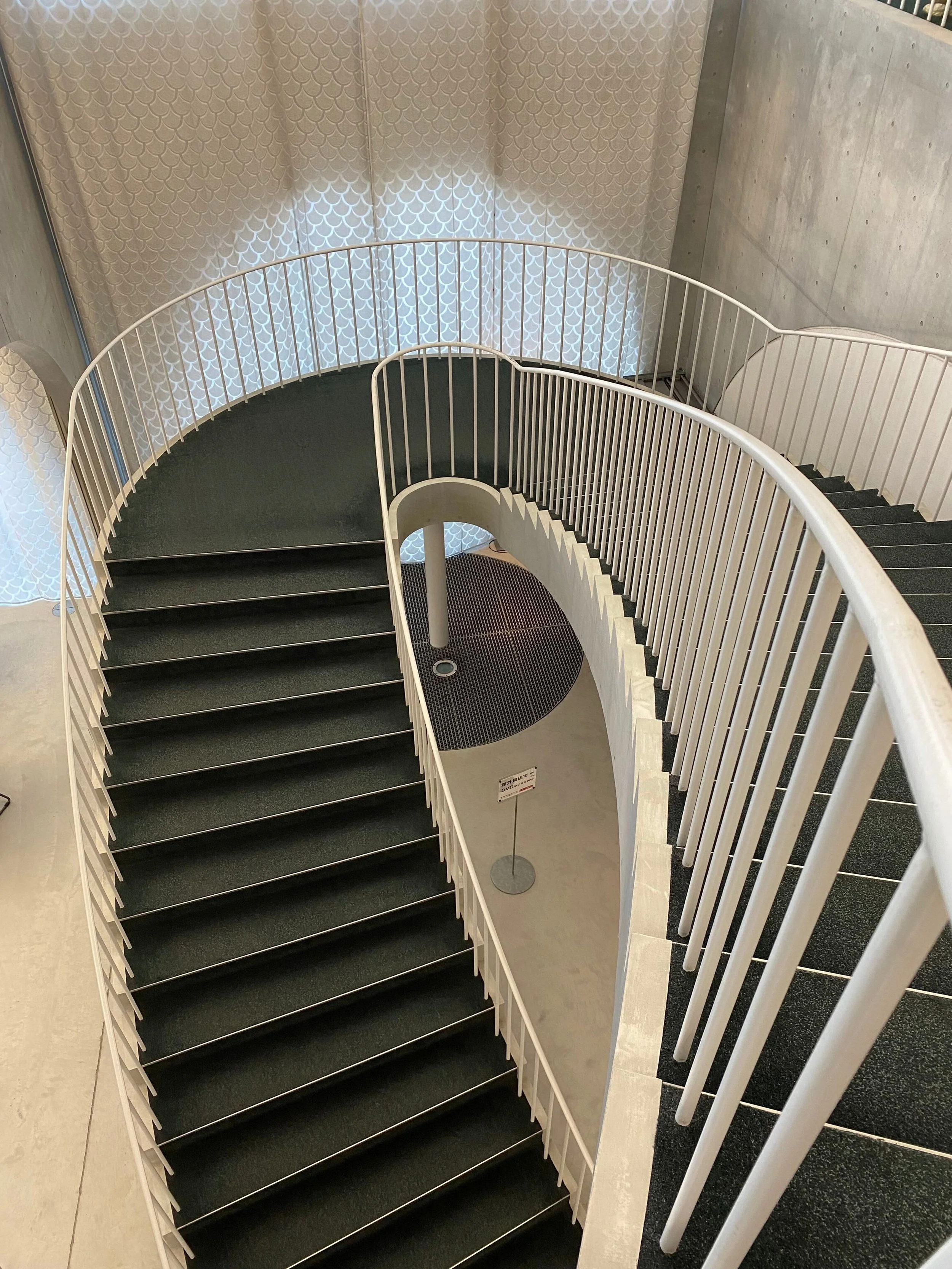
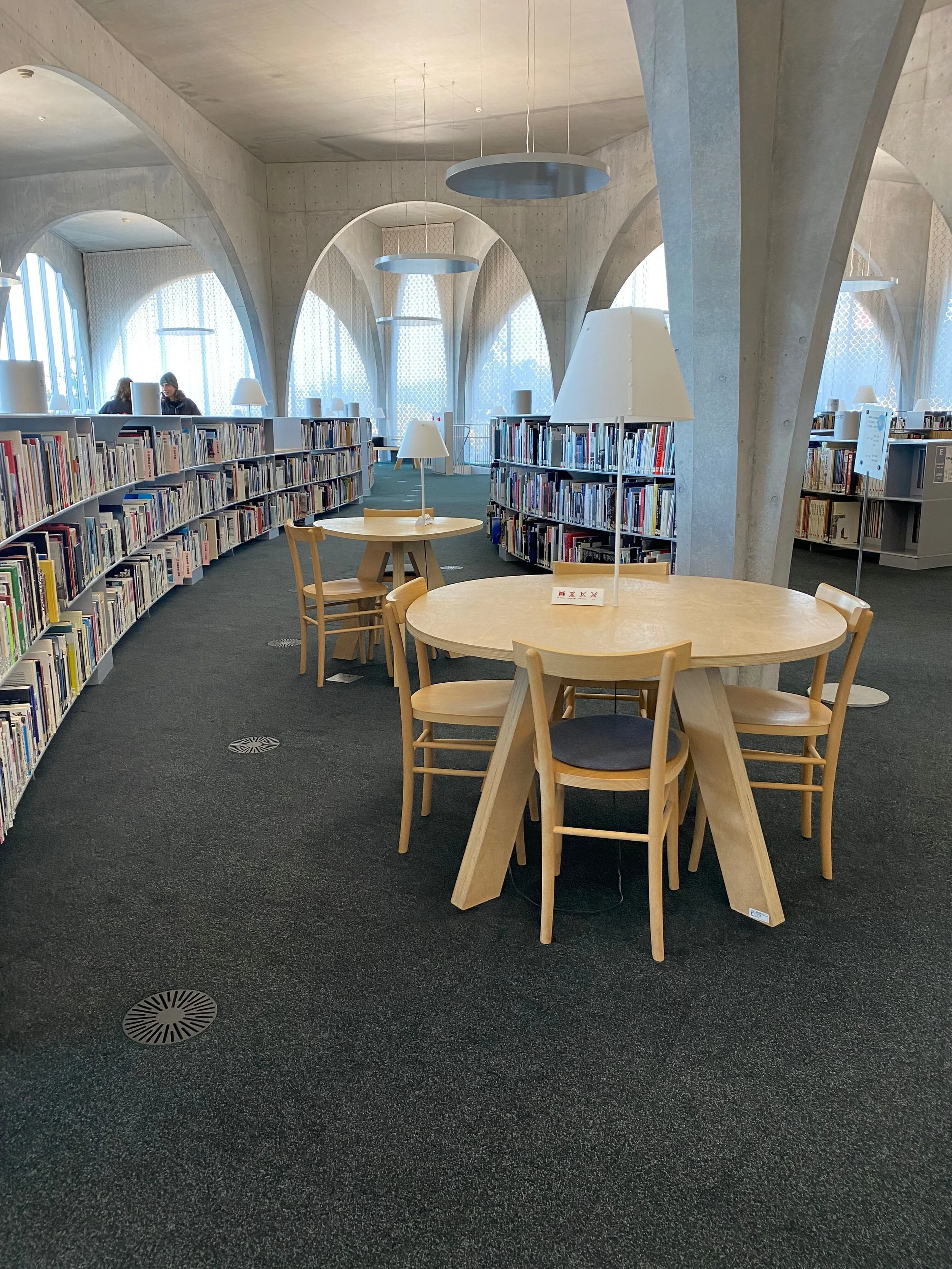
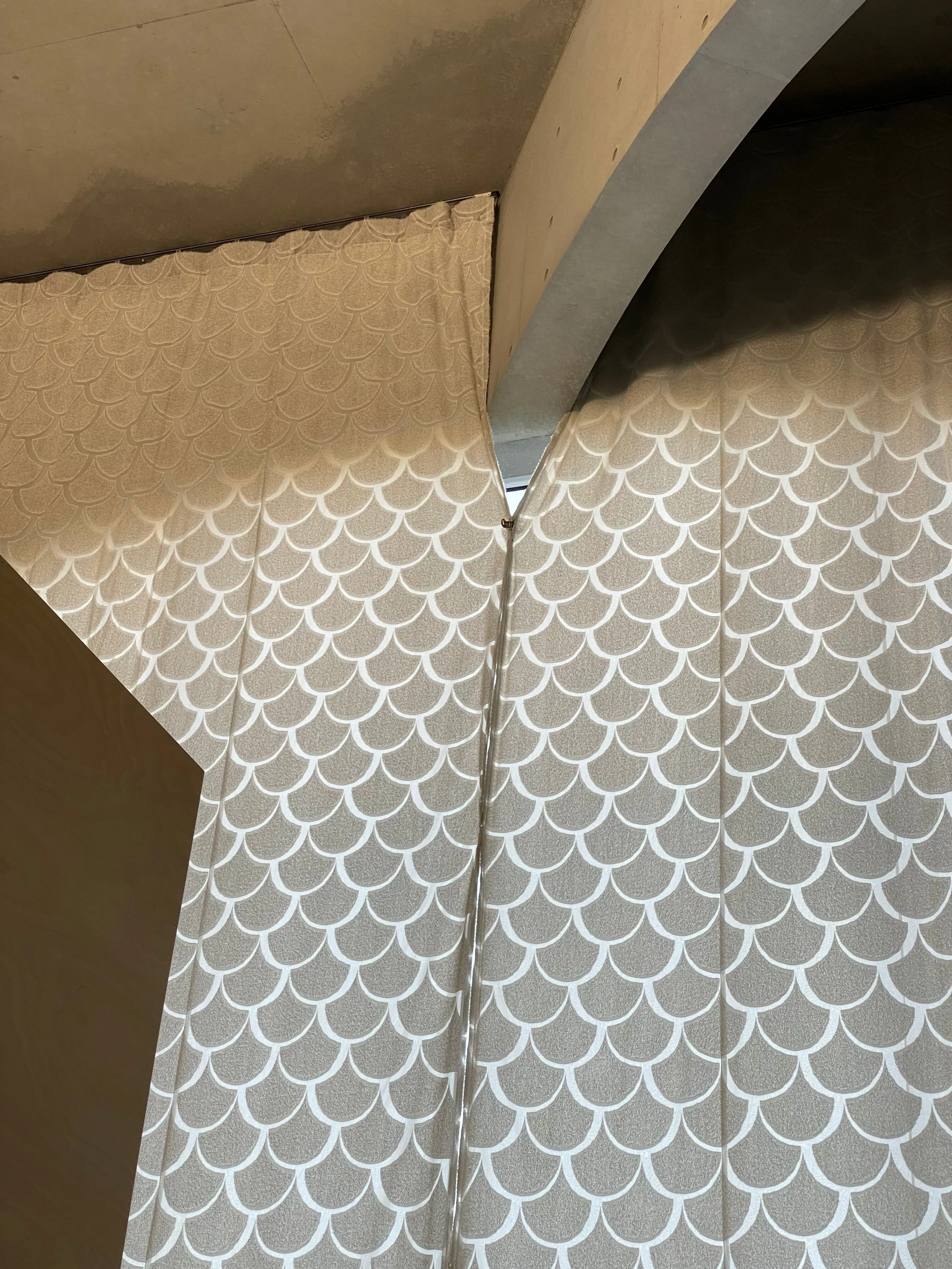
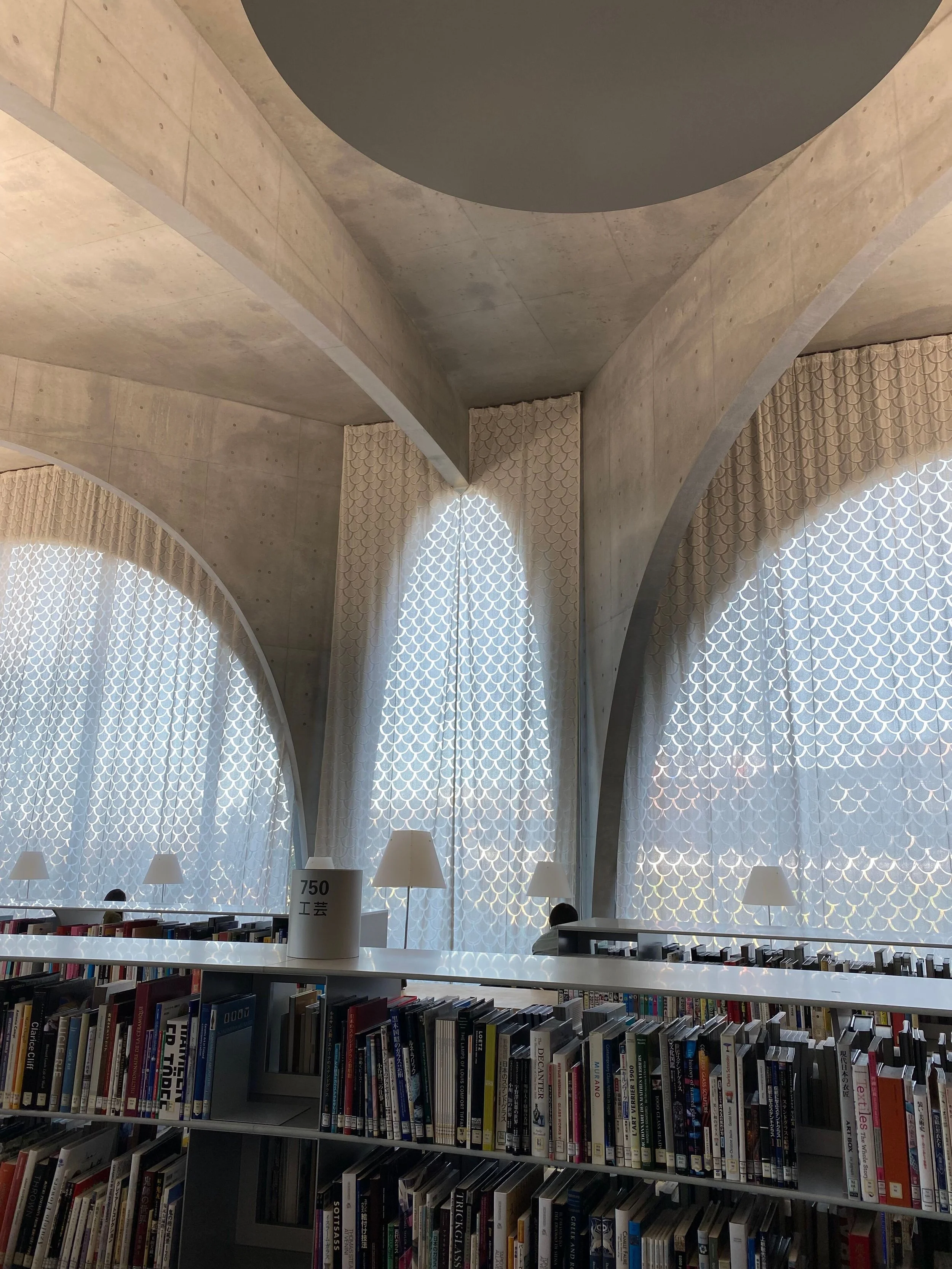
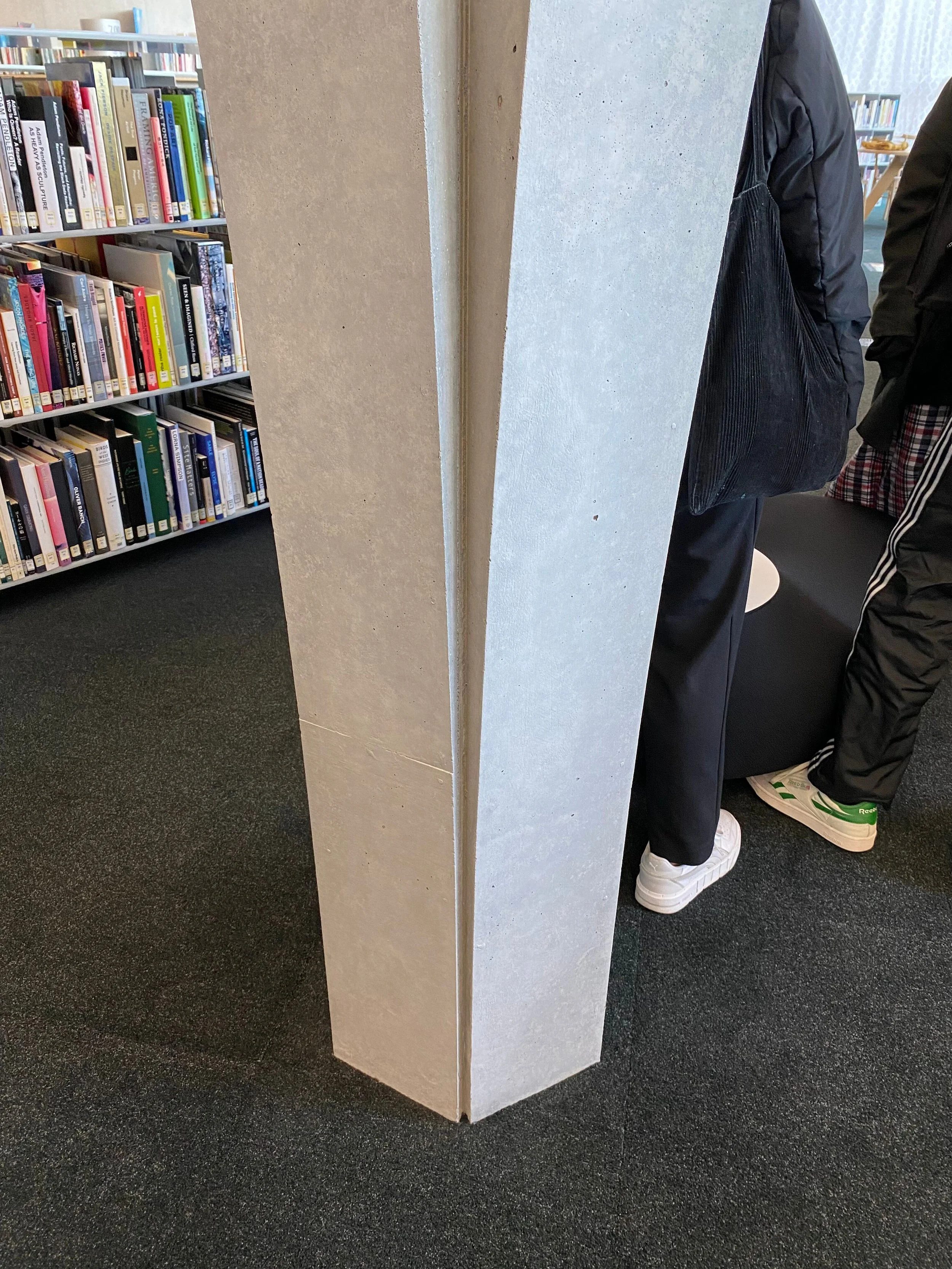
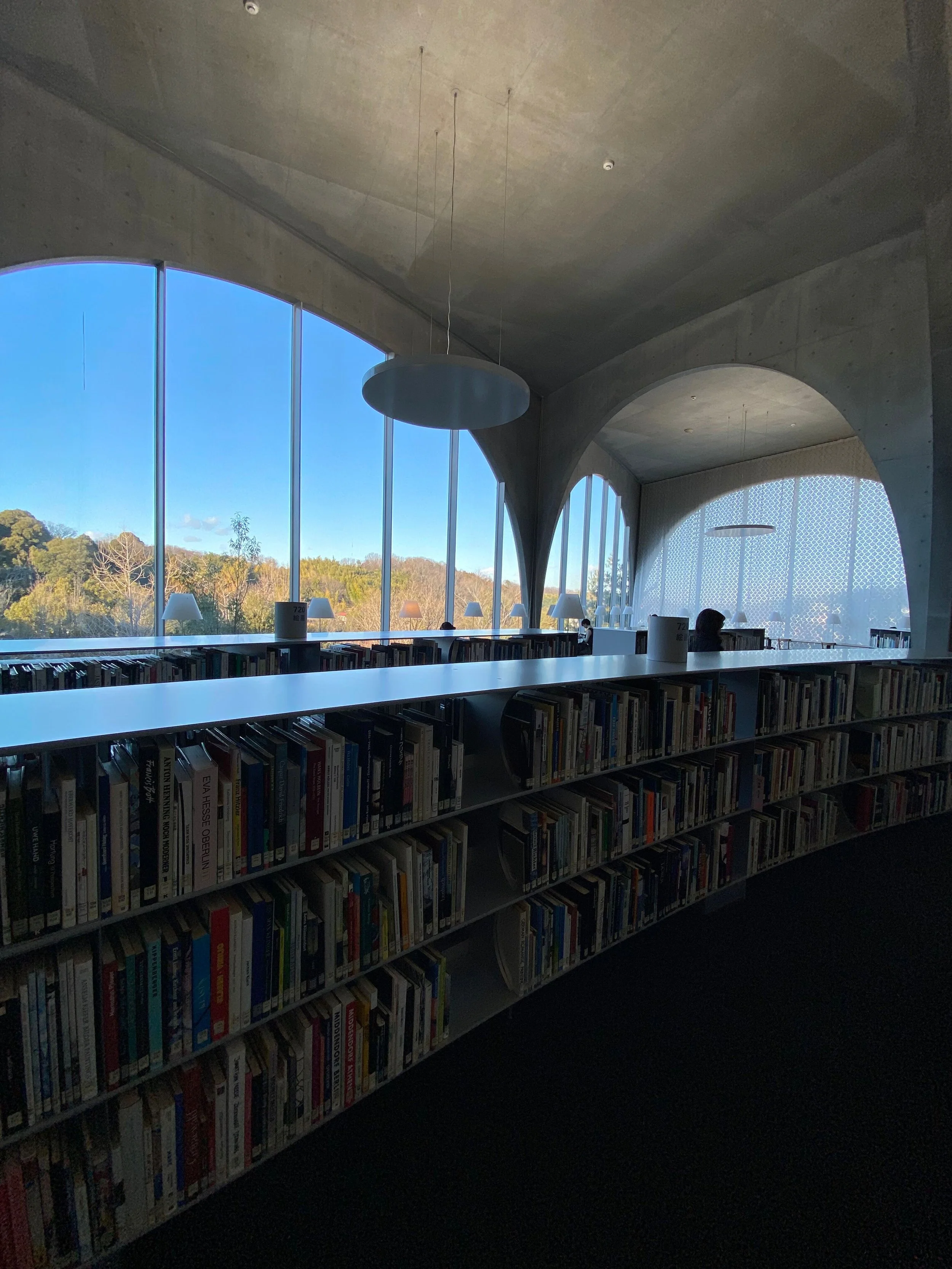
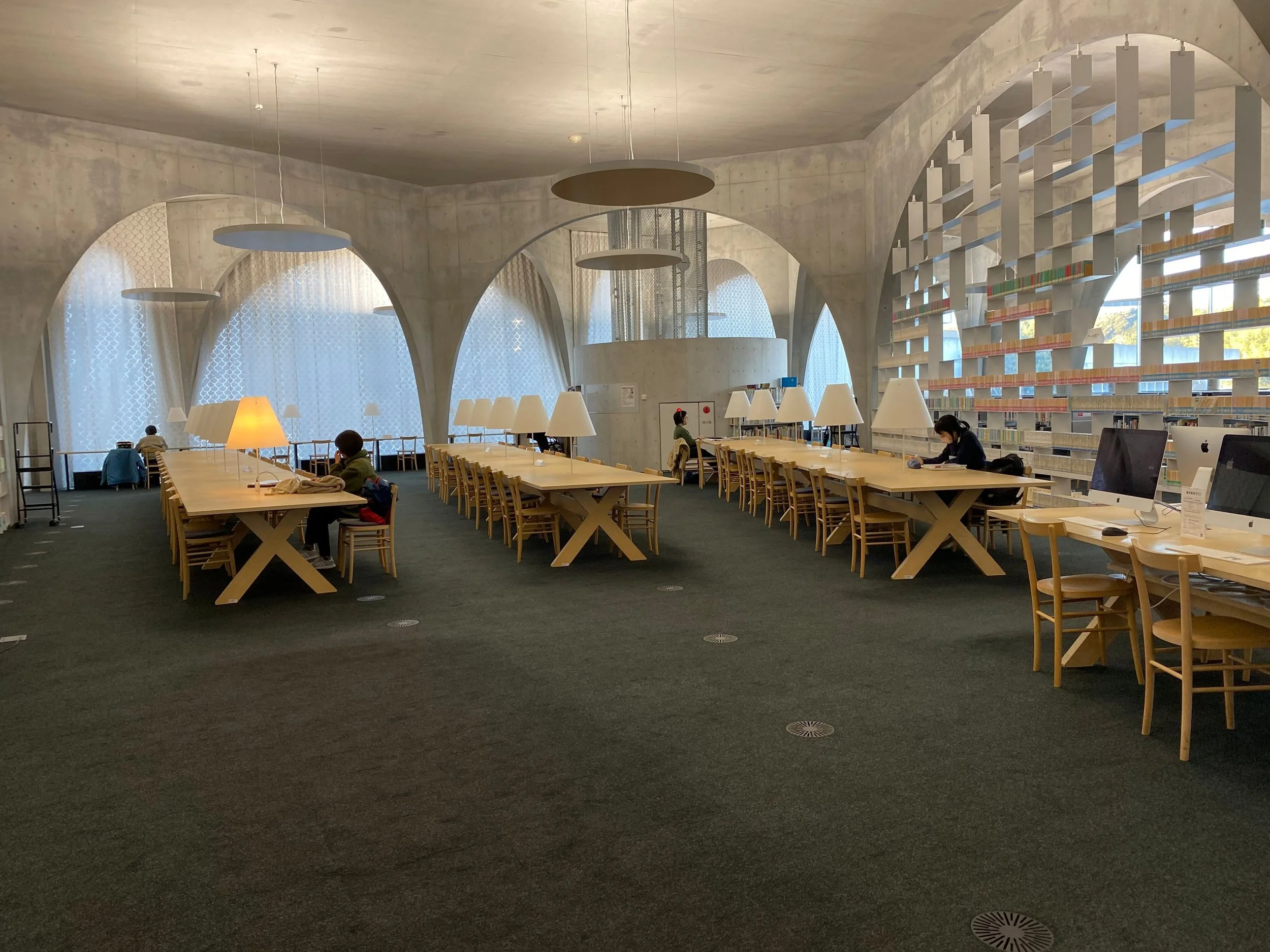
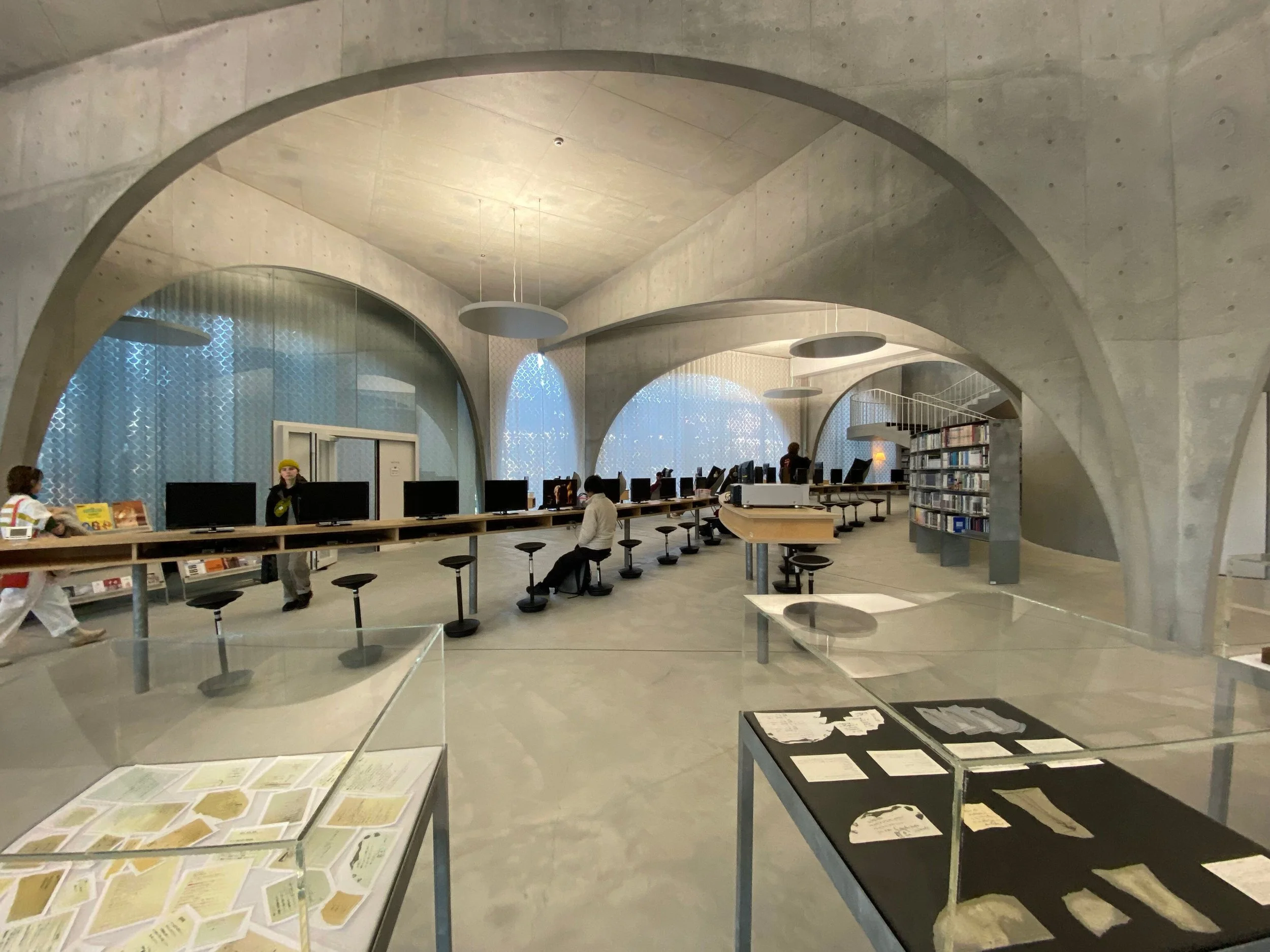
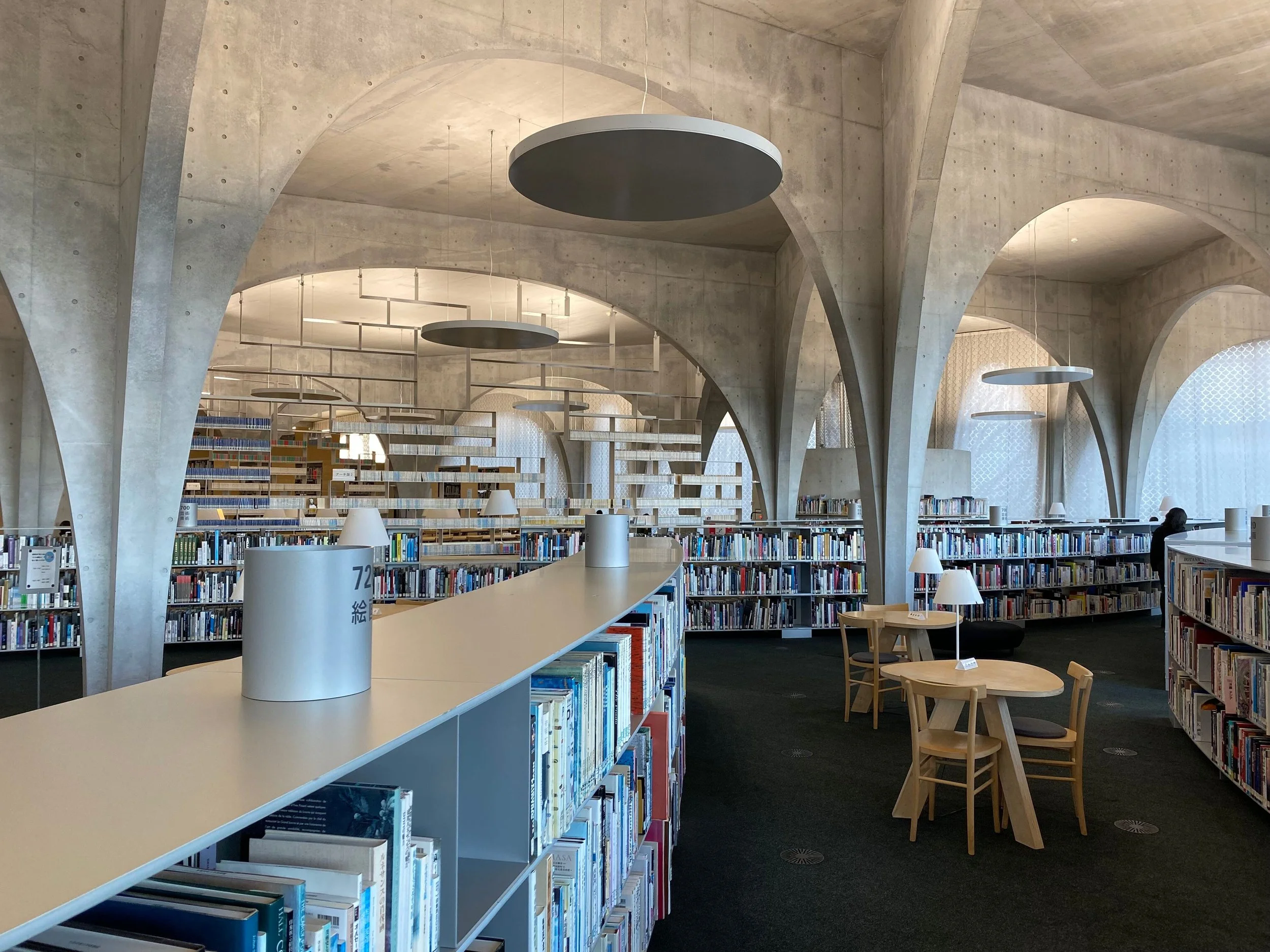
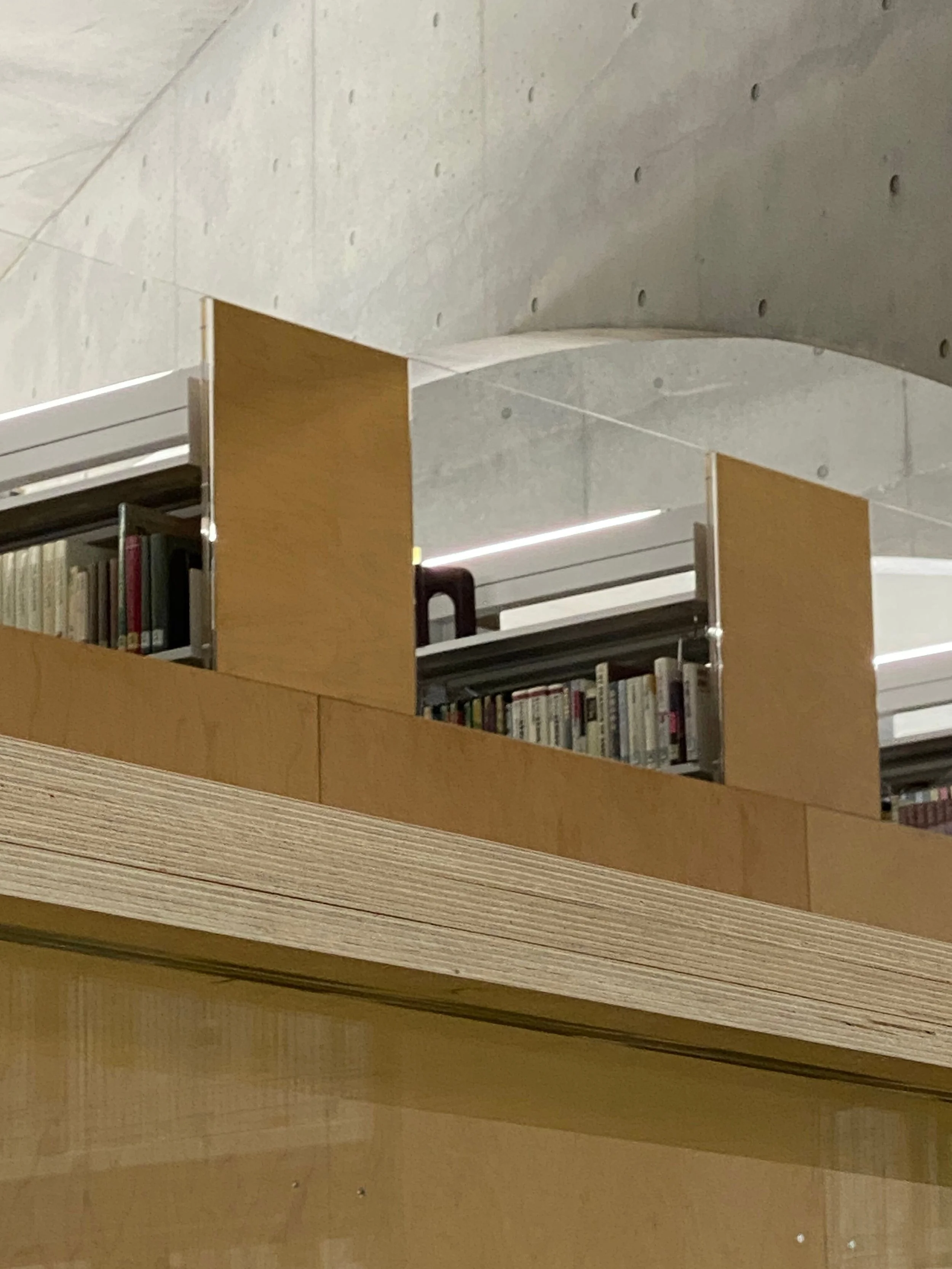
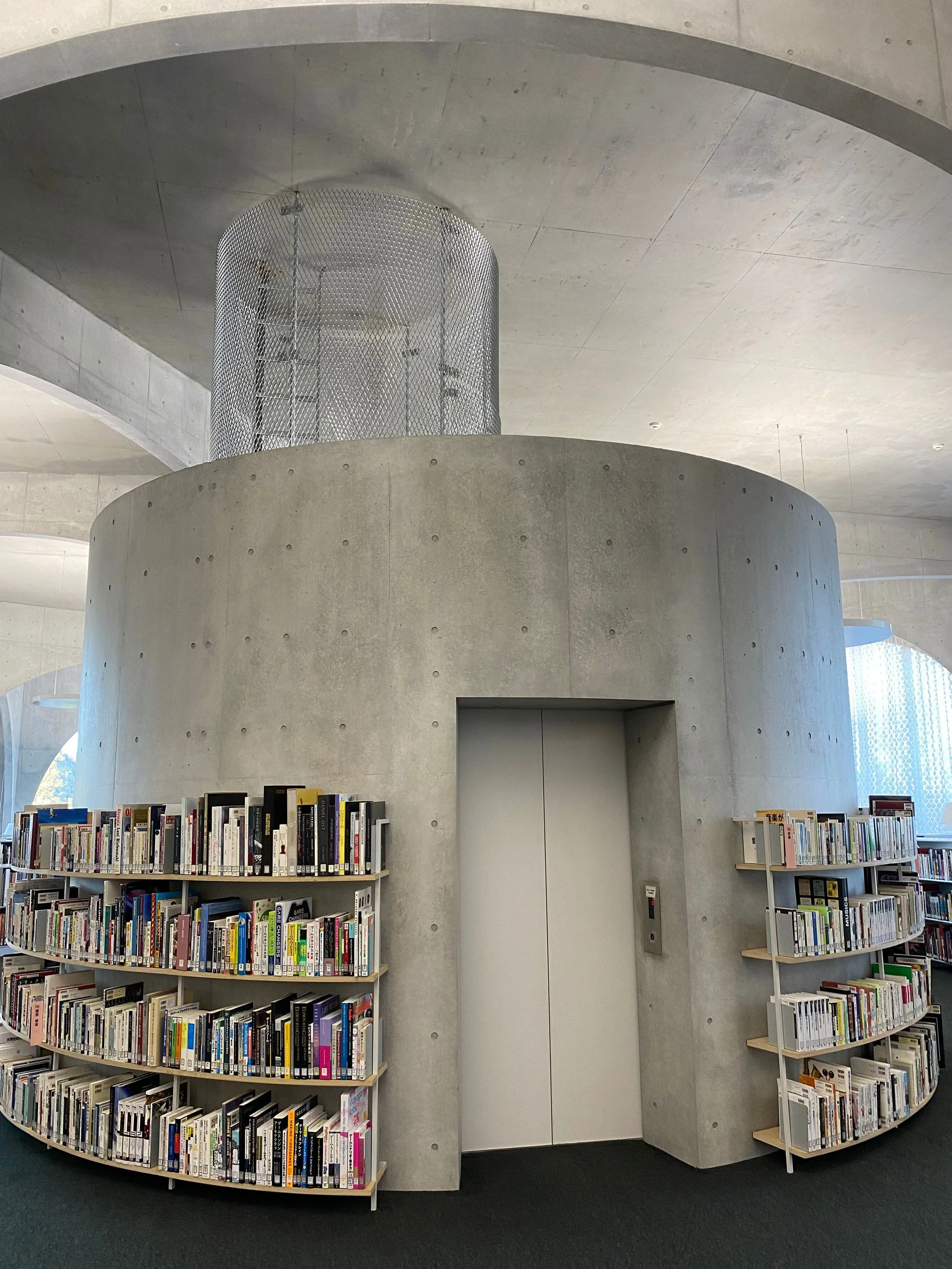
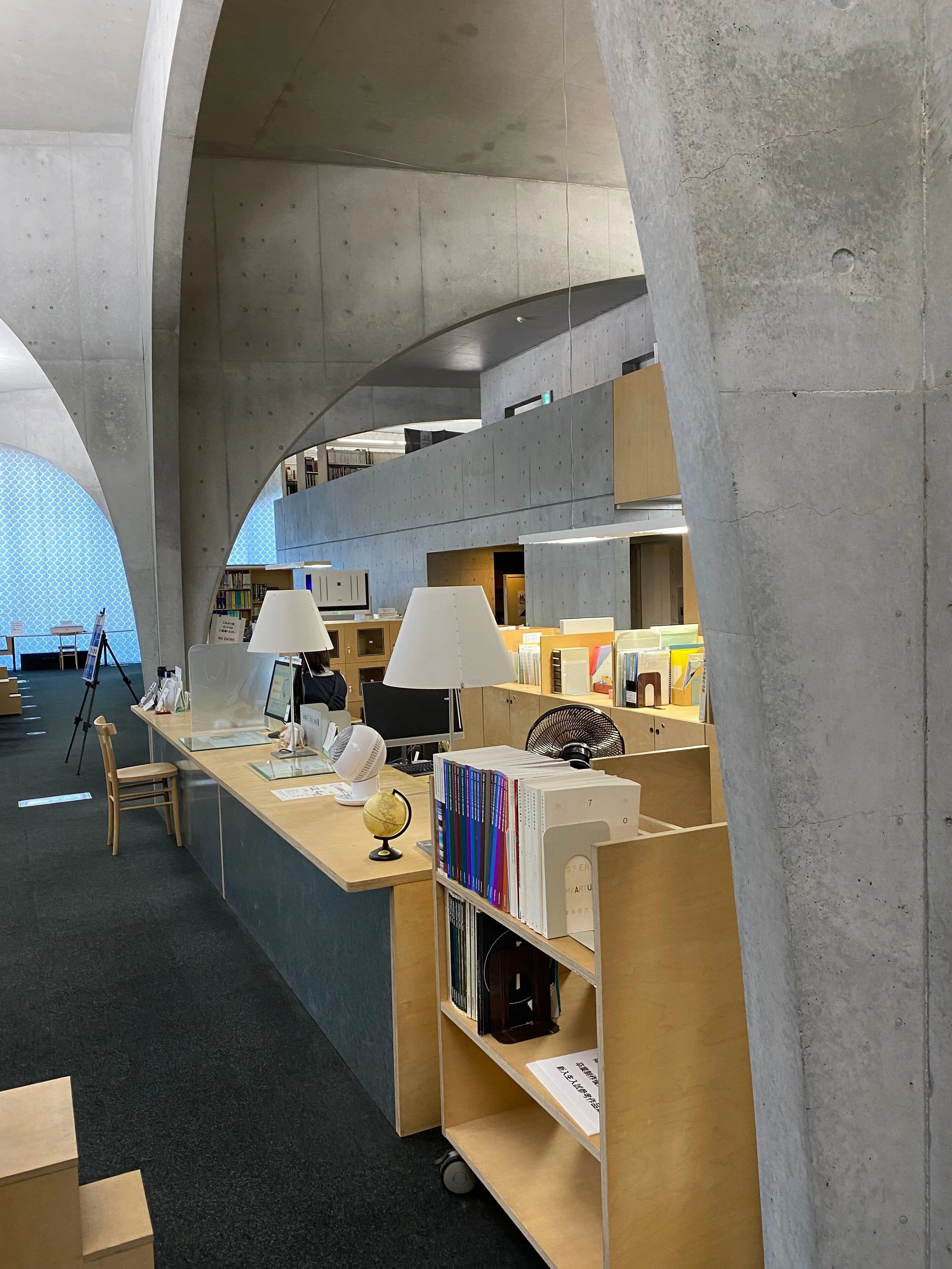
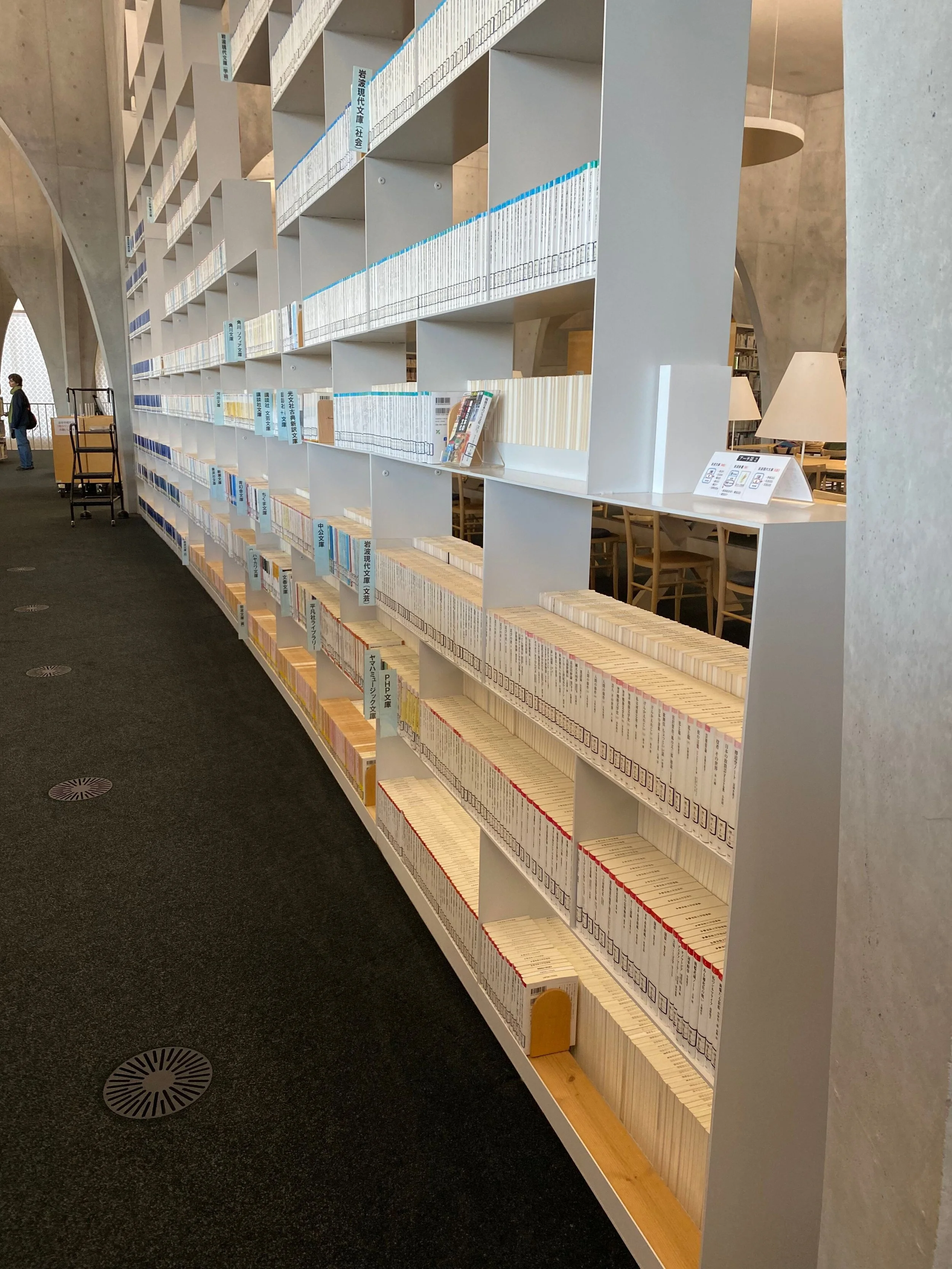
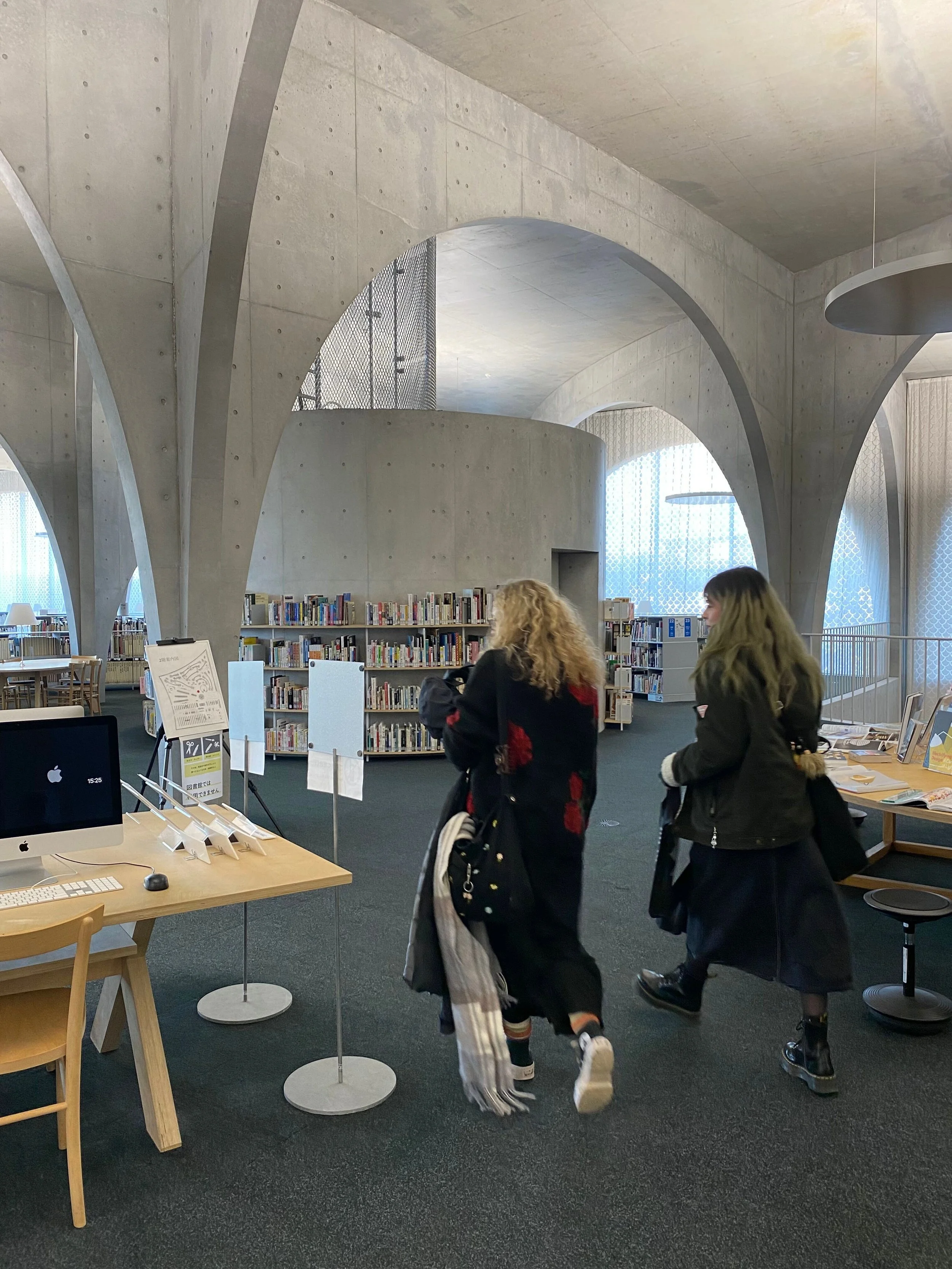
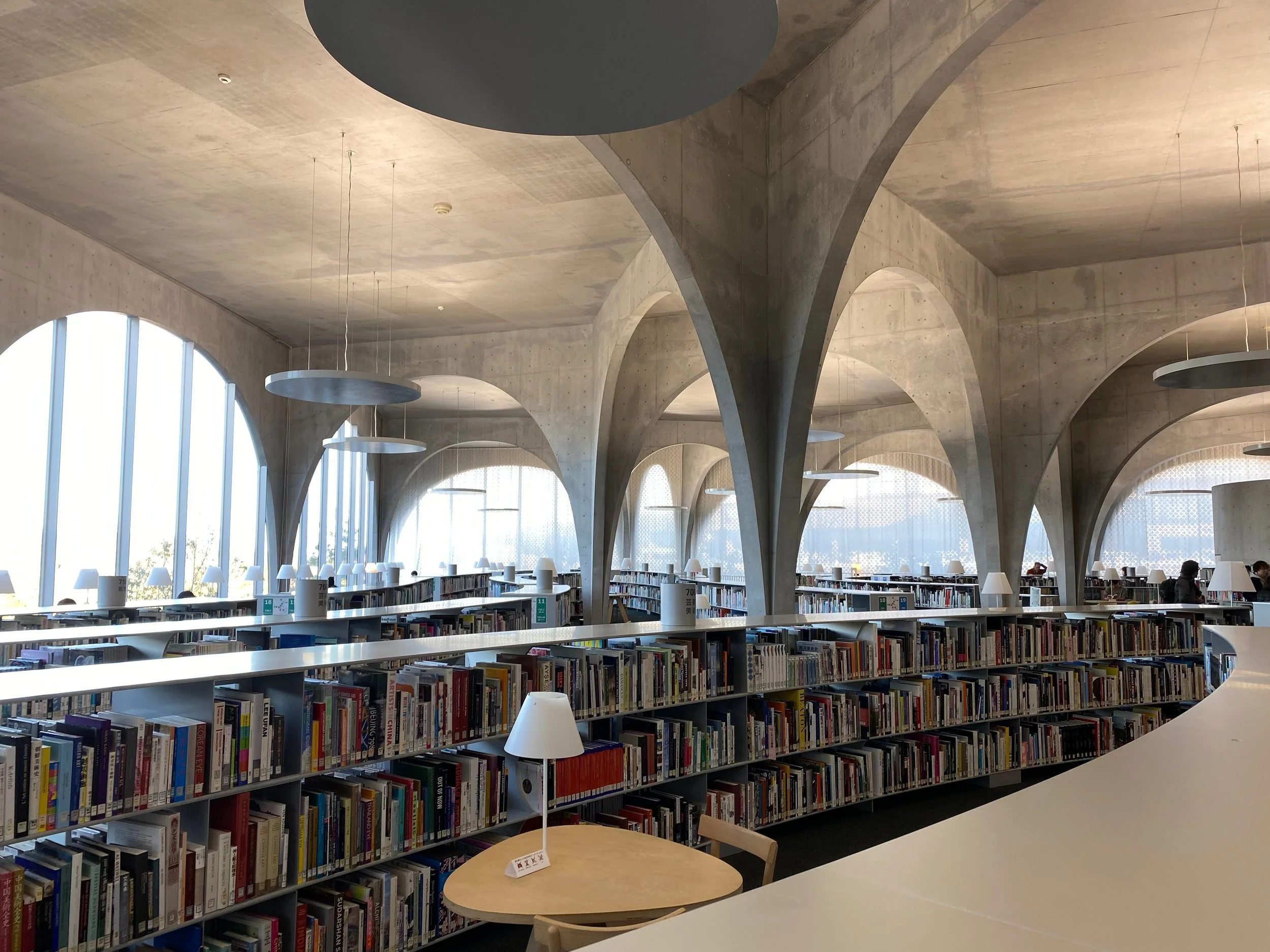
Tama Art University Library by Toyo Ito
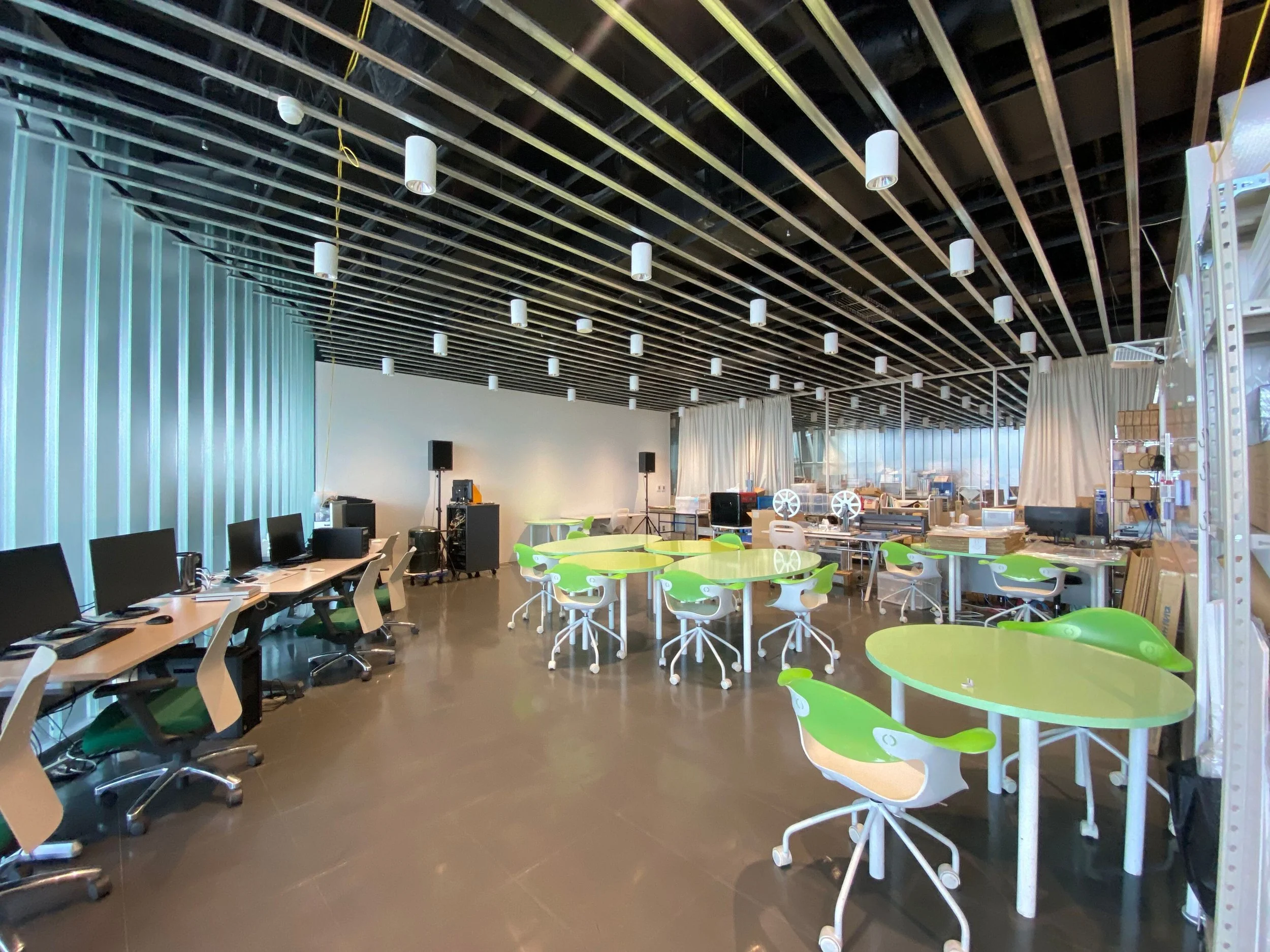
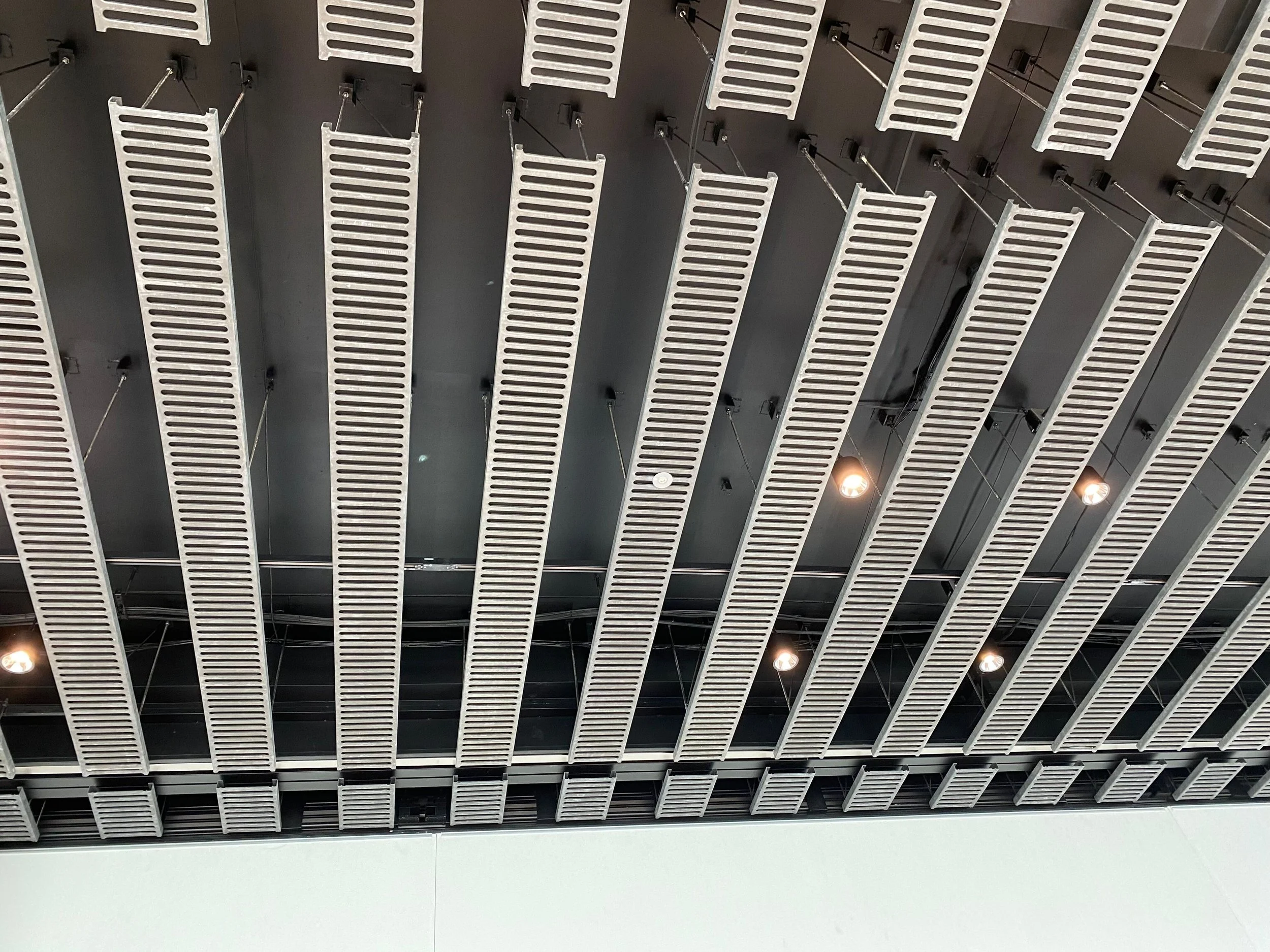
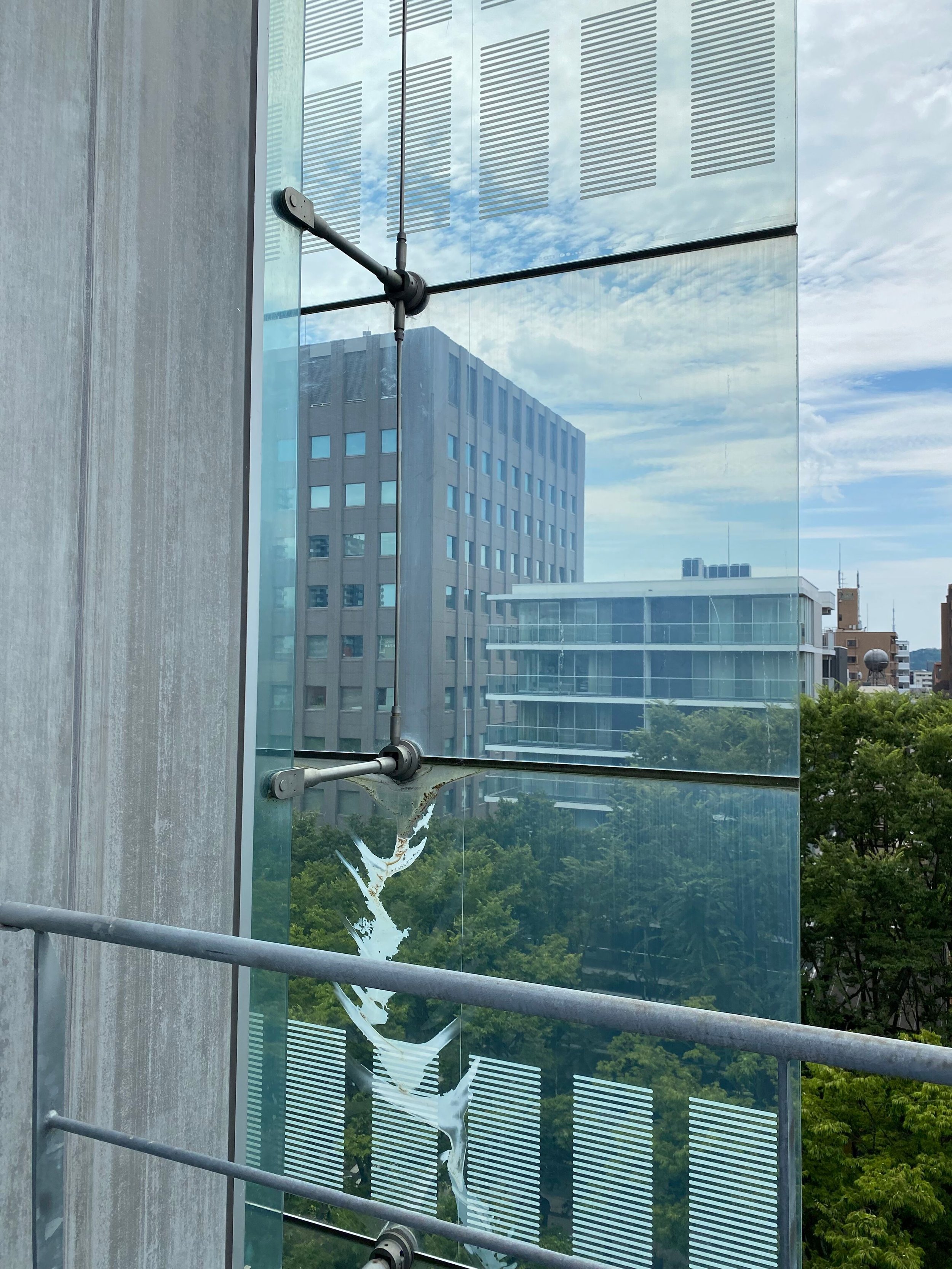
Sendai Mediatheque by Toyo Ito