Japan’s Hidden Creative Landscapes: What Visitors Really Remember (Letter #004)
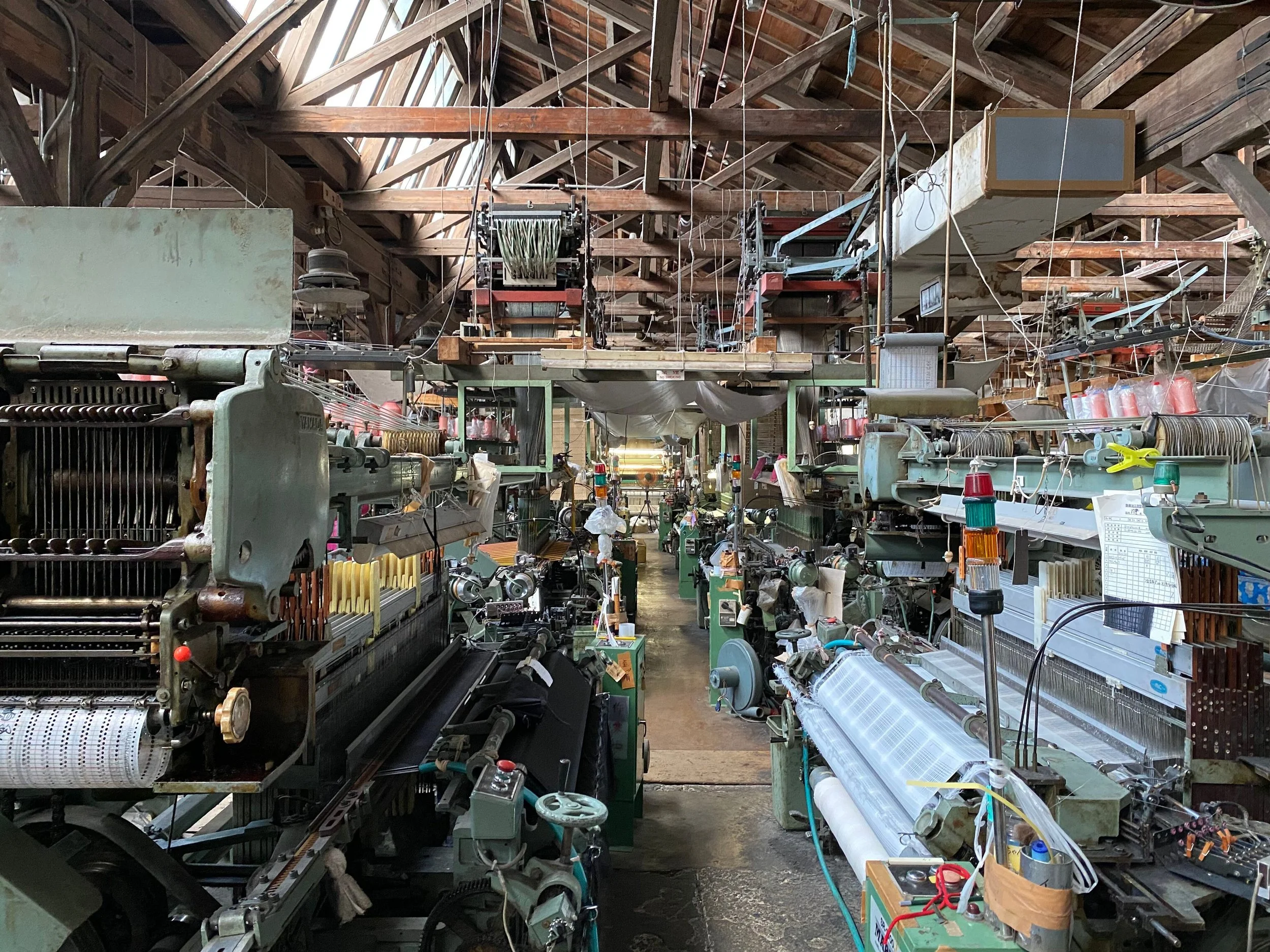
Kiryu Kenshoku (Textile Mill in Kiryu City, Gunma)
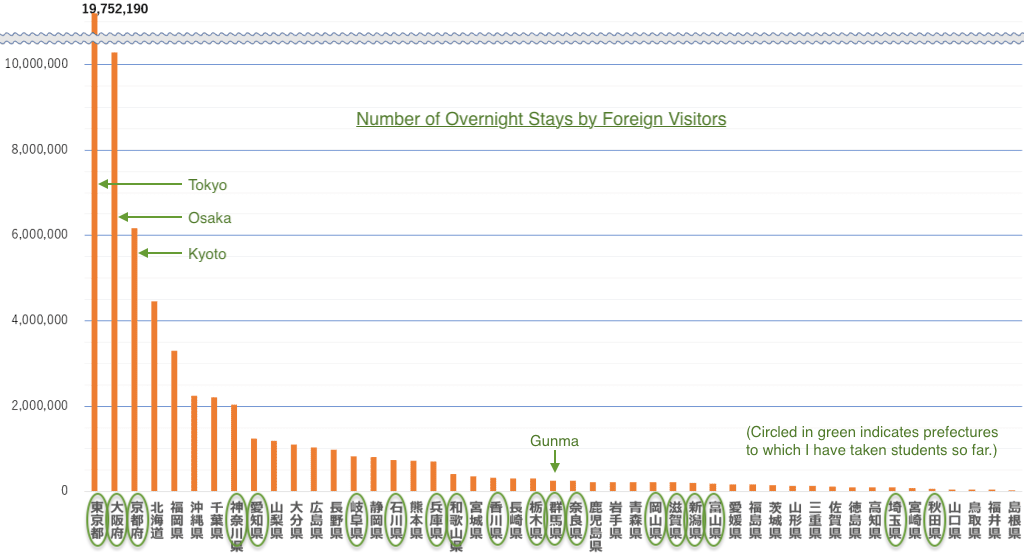
When I ask my students which places they enjoyed the most in Japan, their answers are almost never Tokyo or Kyoto. The reason is simple: there are just too many tourists. Tokyo, Osaka, and Kyoto consistently top the national statistics for “Number of Overnight Stays by Foreign Visitors” (chart below), and that popularity comes with congestion, commercialization, and a sense that your experience is shaped for the crowd.
FAQ: Which “must-see” places in Japan are actually worth it?
Tokyo, Kyoto, and Osaka have incredible museums, food, and design culture. But for many creative travelers (especially my students) the most memorable experiences were in small towns where the pace is slower, the history feels lived-in, and encounters happen naturally.
One frustration with commercial packaged tours is that they often funnel visitors into places that feel more transactional than interactional. Because I grew up in a rural community in Gunma, I feel joy in introducing foreign visitors, especially creative people, to small towns where everyday life is still shaped by craft traditions and local pride. These encounters benefit both sides: visitors gain access to authenticity, and local communities feel seen and valued. There is so much beauty in everyday rural life, and it emerges through simple, human interactions.
It is heartwarming to see Gunma sitting in the middle of the national chart, because it has ranked low in tourism attractiveness for many years. Despite accounting for only about 0.3% of all foreign travelers, it was recently ranked #1 in Japan’s Desired Relocation Destinations. Not popular among tourists, but deeply appreciated by Japanese people who want to build a life there.
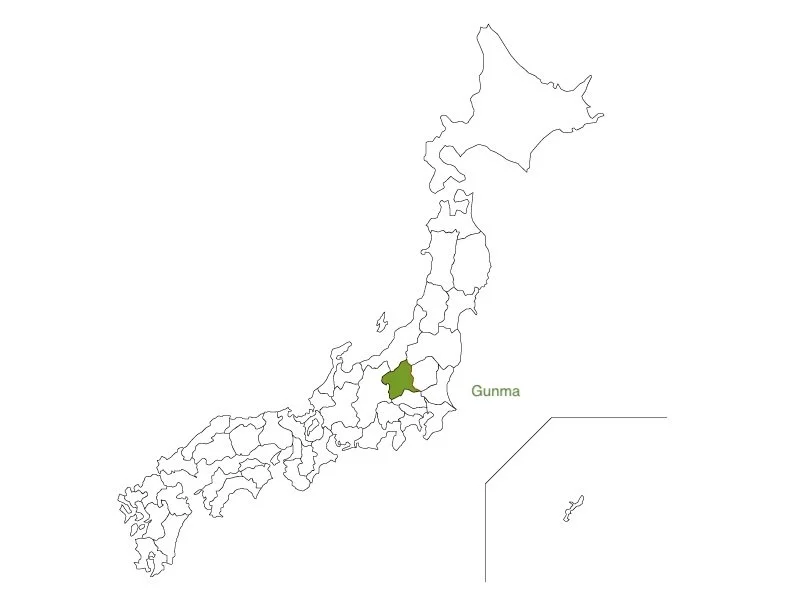
Location of Gunma
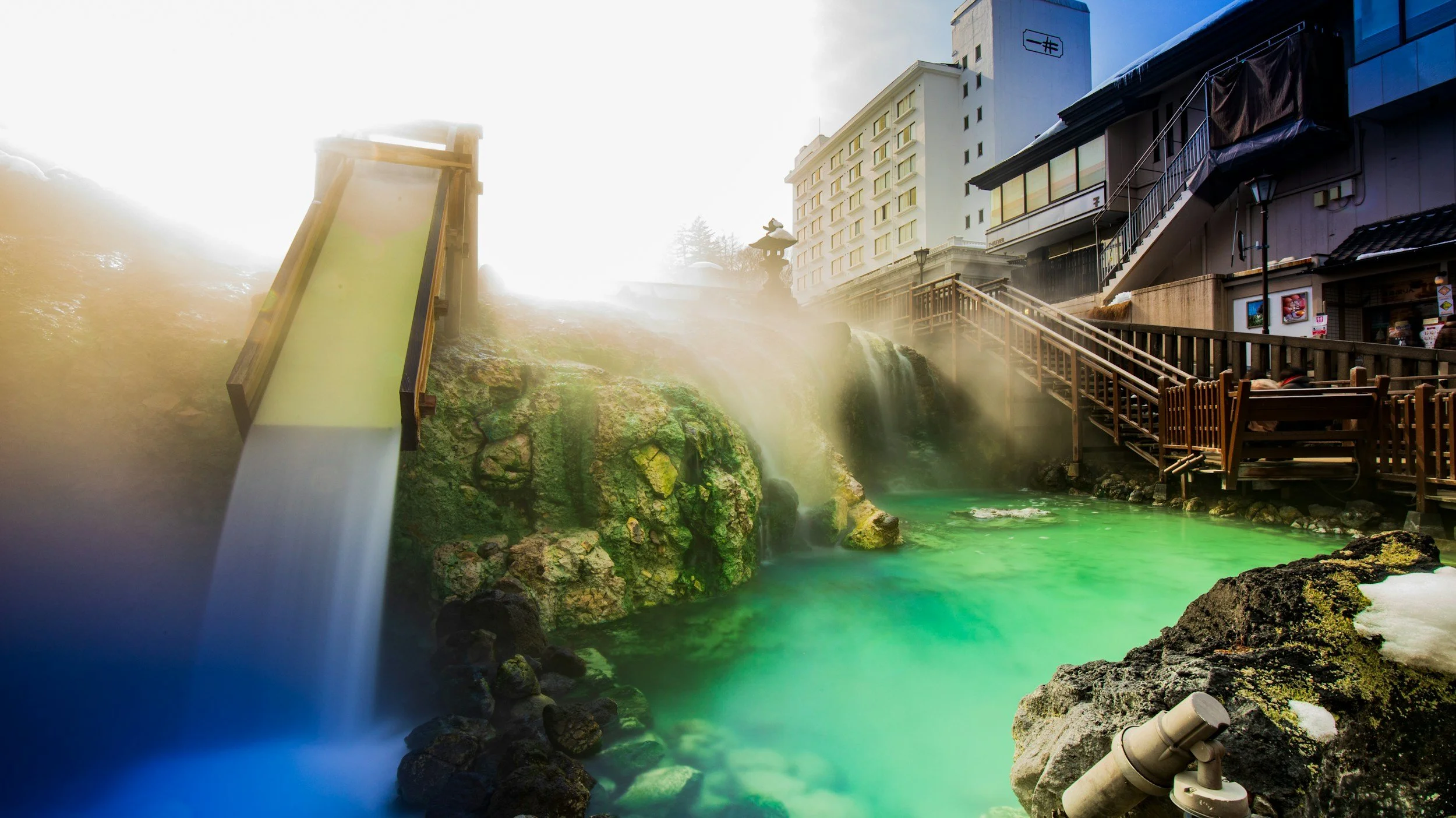
Kusatsu Onsen (hotspring)
Why? Partly because Gunma has some of the fewest natural disasters in Japan. It’s inland, so there is no tsunami risk. We do have one active volcano, which is why we have some of the country’s best hot springs. Gunma is also historically known for its silk production and sericulture, with 1300 years of history—industries that supported Japan’s modernization after centuries of isolation. One of these historic textile centers is Kiryu City, which I have visited several times with students and fellow professors.
This textile town is characterized by weaving mills with distinctive saw-tooth roofs. There used to be around 500 of them in the area; however, there are currently about 370, according to local teachers and architects who have played an important role in raising awareness of their cultural value. In one of the still-operating mills, we met an 80-year-old woman who was manually tying 8,000 threads in preparation for weaving new fabric. She is one of only three people in the city who still possess the skills to do this work (photo below).
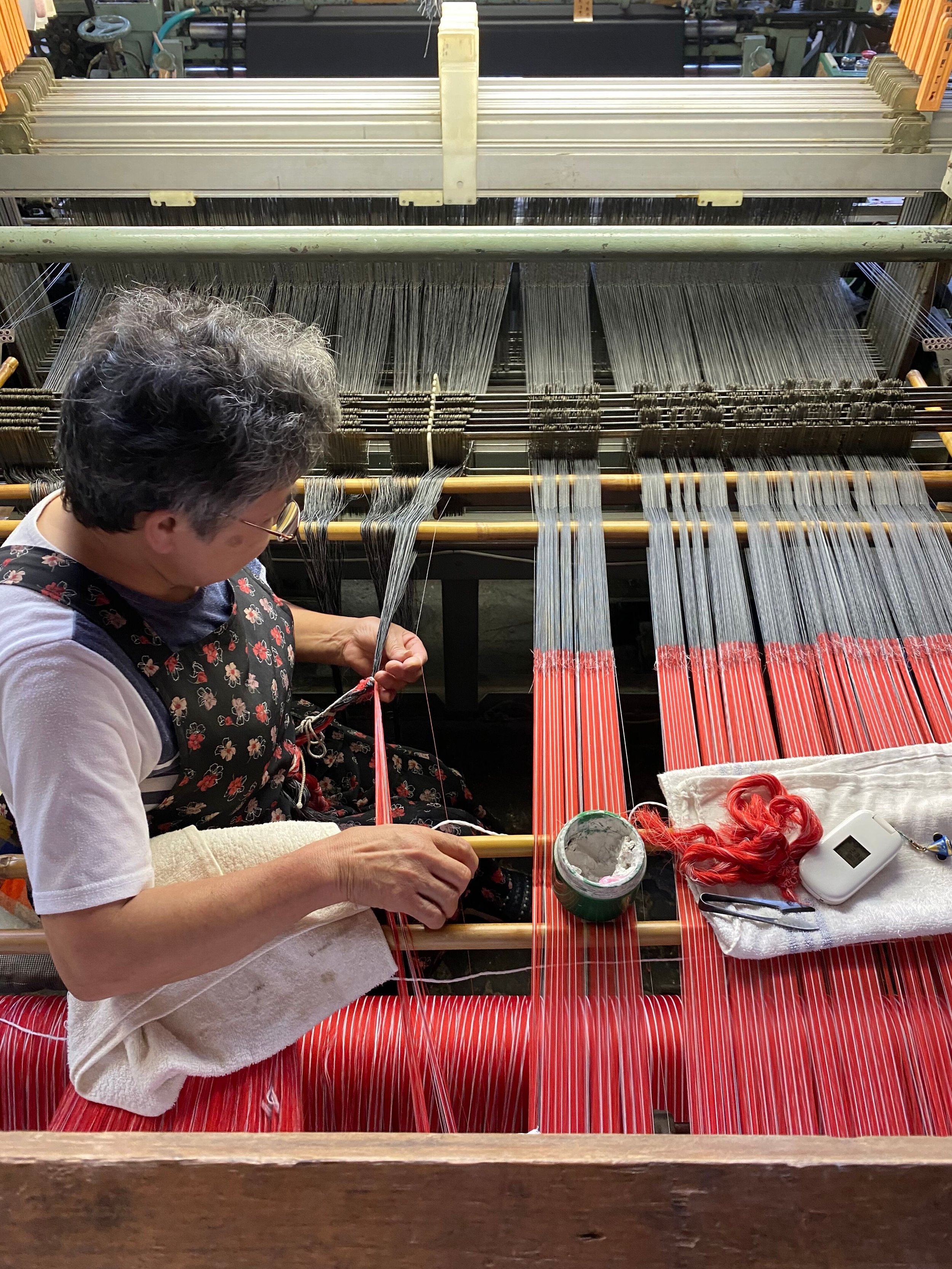
80-year-old woman manually tying 8,000 threads in preparation for weaving new fabric.
(I recently introduced the Crafts & Traditions page showing a Kiryu textile mill on Instagram. If you haven’t yet, please follow — it helps me connect these small stories to a wider community. Thank you.)
On my most recent visit, I happened to be there during the city’s summer festival—a classic matsuri with street food, games, and people carrying mikoshi (portable shrines). It reminded me of the festival in Shibukawa, where I grew up participating in the heso-odori “belly button dance” (a story for another time) and local drum performances as a child.
Wandering through Kiryu’s festival streets, I stepped into several old buildings out of simple curiosity and ended up receiving spontaneous tours from the people who work there (photos below). For an architect, these accidental discoveries are treasures. They are also moments that are nearly impossible to script into a packaged tour.
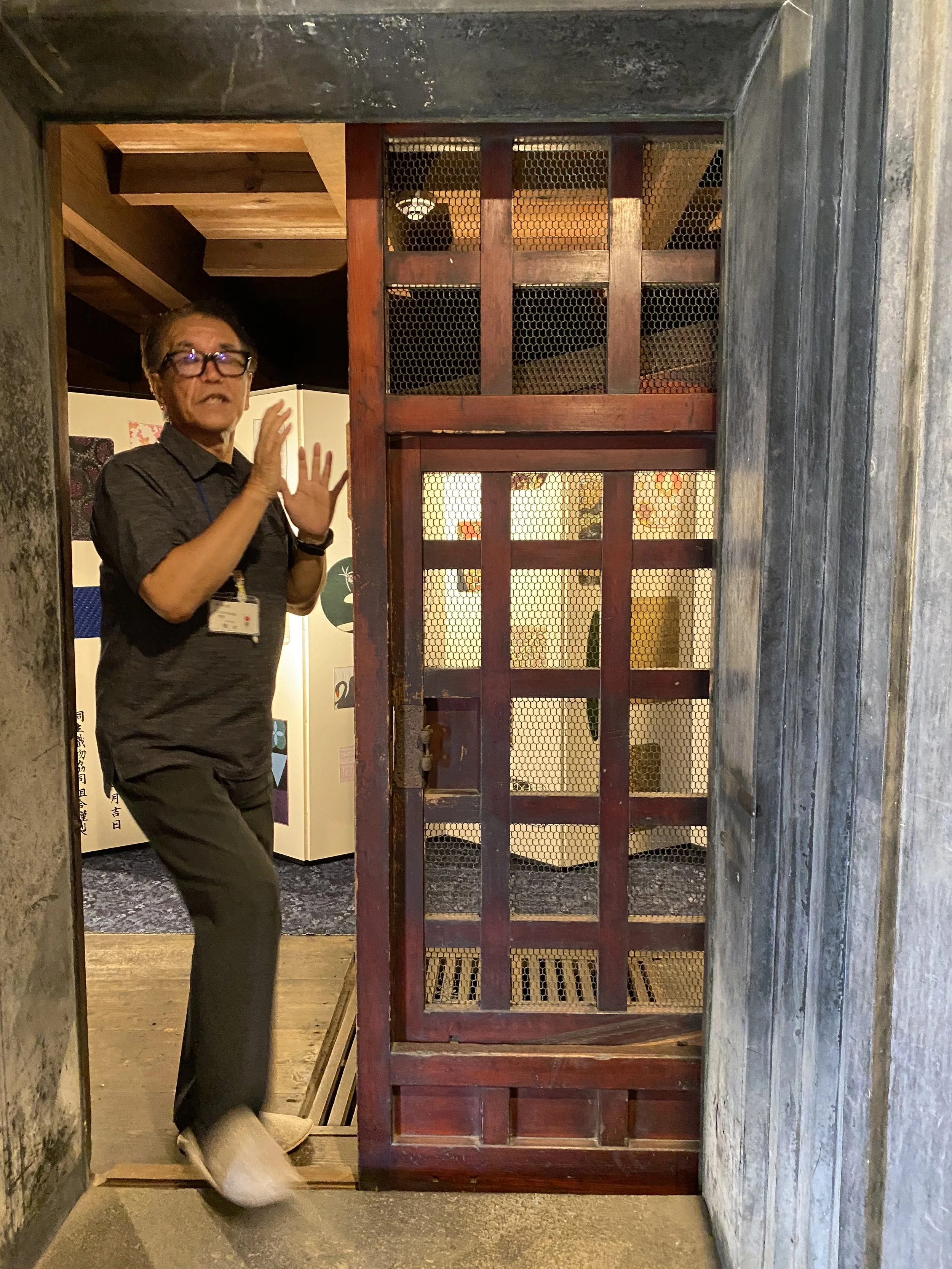
Machinaka Koryu-kan: Newly renovated traditional houses open to the public. They preserve much of their original state. For security reason, the kura (storage room) door slides diagonally!
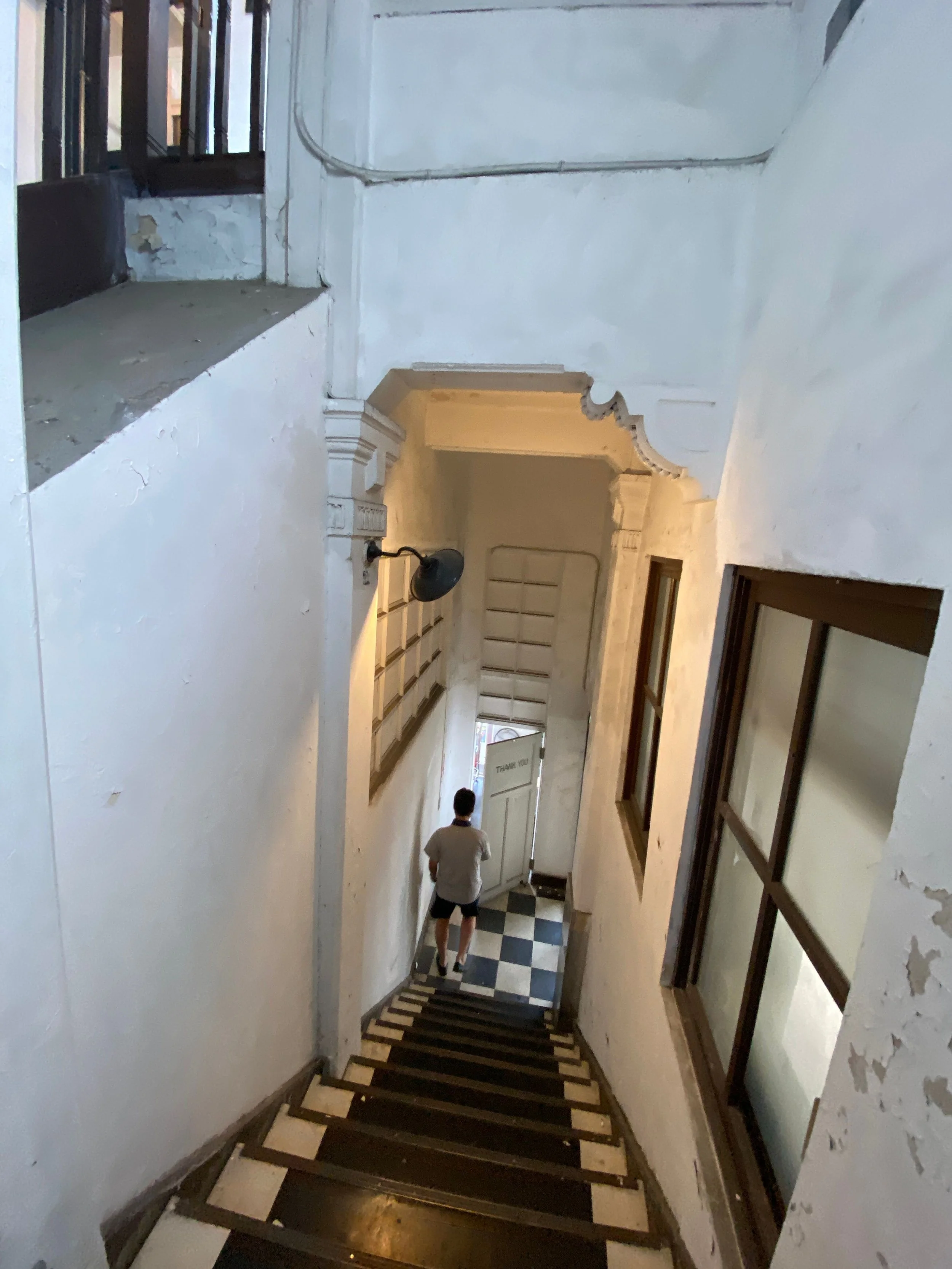
Kanazen Building (Tangible Cultural Property), one of the buildings that symbolizes Japanese modernization and industrialization.
FAQ: Do I need to speak Japanese to visit small towns?
Not at all for Tokyo or Kyoto, you can navigate the cities easily. In small towns you’ll encounter fewer English speakers, but that’s where I guide visitors. Those moments of gesture, curiosity, and kindness often become the highlights of the trip.
For non-Japanese travelers, Tokyo, Kyoto, and Osaka are easy (enough) to navigate without speaking Japanese. But when I travel with visitors, my aim is to unveil lesser-known places, where conversations with locals and slower, deeper forms of discovery can happen. Naturally, the less international traffic a town receives, the less likely you are to encounter English. That is exactly what makes it rewarding.
Having a foot in both Eastern and Western cultures allows me to translate, not only language, but worldviews. I learn from Japanese books that haven’t been translated into English, and vice versa. I find inspiration in cultural concepts that don’t fully exist in the other language. Moving between both cultures helps me understand myself and my roots more clearly, and I want to bring visitors into that space of layered awareness as well.
There are many reasons I continue returning to off-the-beaten-path places: to discover and share beauty in the everyday; to introduce the quiet charm of small towns to the world; to support communities affected by depopulation; to learn and be inspired again and again; to connect people across cultures; and to grow as a designer and a person.
Big cities in Japan are full of creative energy, of course. But many small towns offer inspiration that is equally powerful, and often more personal.
Among the students’ favorite destinations in past programs were Sado Island in Niigata Prefecture and Kiryu City in Gunma. Neither is a typical destination for foreign visitors. (Although Sado Island, after receiving UNESCO designation this year, may change soon.) In these places, you meet the people who actually shape the culture of Japan—not the polished version staged for tourism.
These are the kinds of experiences I look forward to sharing in future travel programs: slower, deeper, and filled with the kind of discovery that expands design vocabulary, builds personal and professional connections, and inspires each person’s creative practice.
Warmly,
Junko
Coming up: I’ll talk about another off-the-beaten-path place we could visit. My newsletter writing is a bit slow at the moment, as I will be taking RISD students to Ghana this January, and the coordination has been keeping me quite occupied. Nonetheless, stay tuned!